Washington DC Neighborhood Comparison for Your Next Move
July 9, 2026
July 9, 2026
If you are planning a move to Washington, DC, one of the first surprises is that choosing the right neighborhood is not as simple as drawing a circle on a map. In DC, neighborhood lines are informal, and one block can feel very different from the next. That can make your search feel overwhelming, but it also means you have real options. This guide will help you narrow your choice based on how you actually live, commute, and want to spend your day. Let’s dive in.
In Washington, DC, the best neighborhood is usually the one that fits your routine, not the one with the most name recognition. The DC Office of Planning notes that the city does not have official neighborhood boundaries, so it helps to compare areas by lifestyle factors instead of rigid borders.
That means looking at questions like how you get to work, whether you want to walk to errands, what kind of home you prefer, and how important parking is to you. When you frame the search this way, your options become clearer.
A helpful starting point is to think about the difference between central DC and Upper Northwest. These two broad patterns offer very different living experiences.
Ward 2 includes many of the places people often picture when they think of Washington. It has a high concentration of office jobs, major landmarks, and older residential neighborhoods such as Georgetown, Foggy Bottom, the West End, Dupont Circle, Logan Circle, Mount Vernon Square, and Shaw.
In practical terms, this part of the city tends to feel denser, more mixed-use, and more urban. You may find it easier to build your routine around walking, dining out, and using Metro, depending on the block and building.
Ward 3 has a different pattern. The DC Office of Planning describes it as a collection of village-like neighborhoods clustered around local commercial centers.
Areas such as Woodley Park, Cleveland Park, North Cleveland Park and Forest Hills, and the DC portion of Chevy Chase often follow a commercial-corridor-plus-housing pattern. Tenleytown, Palisades, Spring Valley, and Friendship Heights tend to lean more toward single-family-home-oriented living, although Friendship Heights also serves as a regional retail destination.
If you picture tree-lined streets, a quieter residential feel, and more variation in home types from block to block, Upper Northwest may be worth a closer look.
Many buyers assume transit access and commute convenience mean the same thing. In DC, they do not always line up perfectly.
A short commute may still involve a transfer, a walk, a bus connection, or limited parking near a station. That is why it helps to evaluate your actual door-to-door routine rather than simply checking whether a neighborhood has Metro access.
Several popular DC neighborhoods are centered around Red Line access. Dupont Circle, Cleveland Park, Woodley Park, Tenleytown-AU, and Friendship Heights all connect to the Red Line, but station features vary.
WMATA notes that Dupont Circle has no parking at the station, though it does offer bike racks and bikeshare. Cleveland Park and Woodley Park also do not offer station parking, while Tenleytown-AU has short-term metered parking and Friendship Heights lists no parking.
Foggy Bottom-GWU is served by the Blue, Orange, and Silver lines. WMATA also notes that the station is within walking or biking distance of the Georgetown and M Street corridor.
For some buyers, that kind of access can be a major advantage. If your routine depends on rail flexibility, a neighborhood with multiple line options may matter more than a neighborhood name alone.
In more single-family-home-oriented neighborhoods such as Palisades and Spring Valley, rail is often less central to daily life. Based on the city’s planning descriptions, these areas may require more intentional bus, car, or bike planning than neighborhoods closer to Connecticut Avenue or Wisconsin Avenue.
That is not a drawback or a benefit on its own. It is simply a different land-use pattern, and the right fit depends on how you want to move through the city.
One neighborhood name in DC can cover a wide range of housing types. That is especially true in Upper Northwest, where the housing mix includes detached homes, duplexes, rowhouses, apartment buildings, townhouses, and even larger estate-style homes.
This is one reason block-by-block analysis matters so much in Washington. You may tour two homes under the same neighborhood label and find very different street patterns, lot sizes, or building styles.
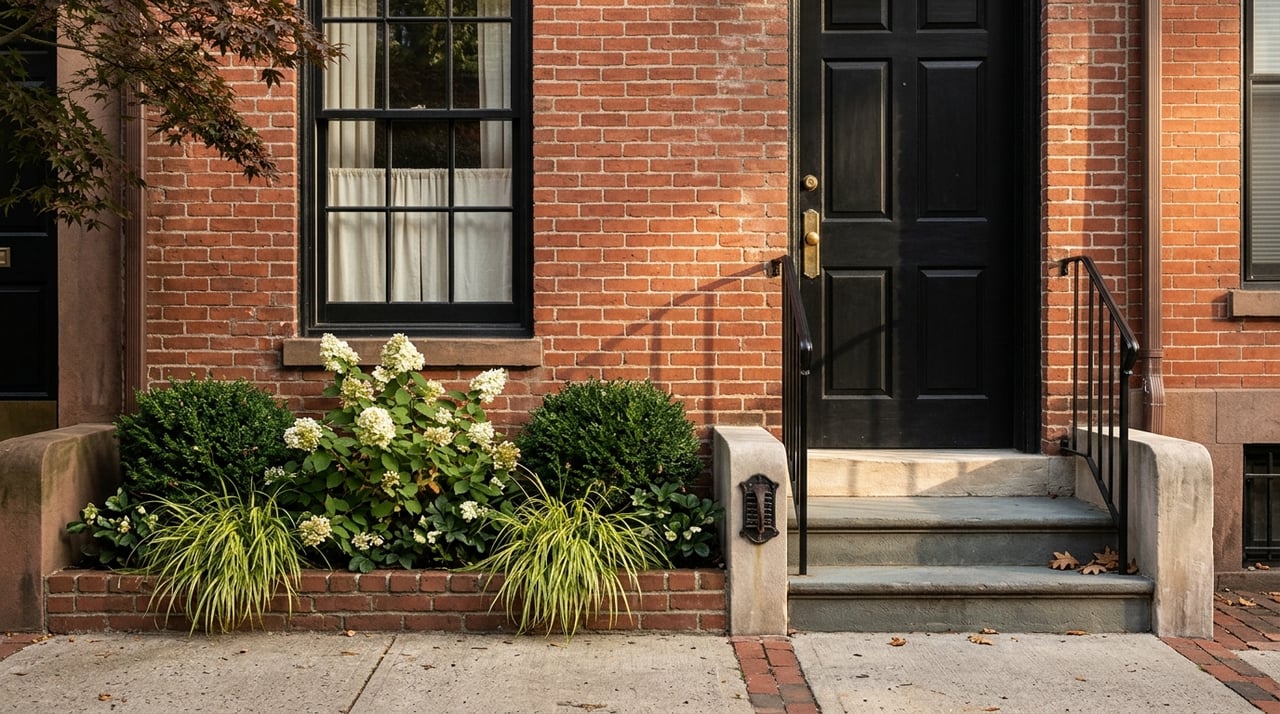
If you are drawn to classic Washington architecture, central neighborhoods may offer more of the older rowhouses, grand townhomes, and long-established residential streets that many buyers want. Places like Dupont Circle, Foggy Bottom, and Georgetown often appeal to buyers who value architectural character and a more urban setting.
That charm can come with tradeoffs, including older housing systems, tighter lots, or more exterior oversight depending on the property.
Upper Northwest offers broad variety rather than one dominant style. The Ward 3 Heritage Guide describes everything from rowhouses and midrise apartments in Glover Park to semidetached homes and Tudor Revival houses in North Cleveland Park, as well as single-family side streets in Chevy Chase.
Palisades is described as wooded, hilly, and more rustic in character. That kind of variation can be appealing if you want more flexibility in lot size, home style, or neighborhood feel.
Historic status is not just an architecture detail. In Washington, DC, it can affect your renovation plans, timeline, and expectations after you move in.
The city has more than 750 historic landmarks and 50 historic districts, which means design review may come into play more often than buyers expect. If you hope to update a facade, add onto a home, or make major exterior changes, this should be part of your neighborhood decision from the start.
Georgetown stands out because the Georgetown Historic District was created in 1950, making it the first historic district in Washington. The Old Georgetown Board reviews most exterior construction in the neighborhood.
If you love Georgetown’s historic setting, that oversight may feel like part of its appeal. If you want maximum flexibility for exterior changes, it is something to evaluate carefully before you buy.
Dupont Circle, Foggy Bottom, and Cleveland Park also include historic districts with long periods of significance. In practical terms, that often signals older housing stock and a higher chance of design review for exterior work.
For many buyers, that is perfectly worthwhile. The key is understanding how historic status fits your plans, especially if you are comparing a move-in-ready home with a property you hope to renovate over time.
If your search feels broad, a few focused questions can quickly narrow your options. These are often more useful than trying to memorize neighborhood reputations.
These questions help you sort neighborhoods by fit, not by prestige. In DC, that is usually the smarter approach.
Because DC has no official neighborhood boundaries, the same neighborhood name can mean very different things depending on the block. The DC Office of Planning is clear that its maps are planning tools, not legal documents, and that key information should be verified with source agencies.
For you, that means a neighborhood search should go beyond labels. The real decision often comes down to a specific street, building type, transit pattern, and any renovation limits tied to the property.
This is where local, street-level perspective becomes especially valuable. A polished rowhouse near a commercial corridor, a quiet detached home farther north, and a condo close to Metro may all fit the same broad search area, but they support very different lifestyles.
The right Washington, DC neighborhood is usually the one that supports your real life with the least friction. That may mean walkability and Metro access, a more residential setting, a specific housing style, or a home with fewer renovation constraints.
When you focus on your routine, commute, housing priorities, and comfort with historic rules, the search becomes much more manageable. If you want experienced, highly personal guidance as you compare Washington neighborhoods block by block, connect with Catherine Triantis for strategic support tailored to your move.
Stay up to date on the latest real estate trends.







Catherine Triantis carefully tailors her efforts to each individual's needs and preferences. Her success may be attributed to her consultative approach and commitment to consistent communication, attention to detail, and support through all phases of prep, strategic planning, and moving.