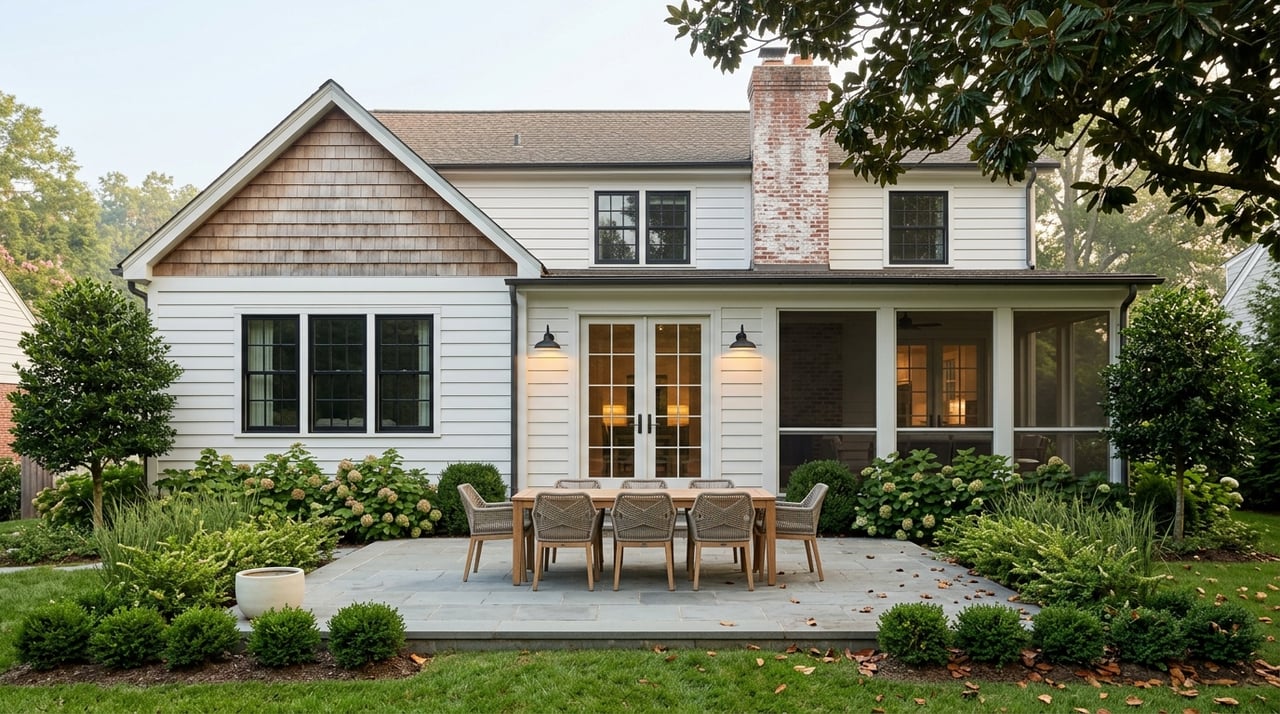
Considering A Second Home In Vienna, MD? What Buyers Should Know
May 28, 2026
May 28, 2026
Looking for a second home that feels genuinely removed from the pace of the Washington area? Vienna, Maryland, is not a resort town in the usual sense, and that is exactly why it stands out. If you are considering a place to recharge near water, open land, and protected natural surroundings, this guide will help you understand what makes Vienna appealing, what the housing market looks like, and what due diligence matters most before you buy. Let’s dive in.
Vienna is a very small incorporated town in Dorchester County with a 2020 census population of 270. It sits on the Nanticoke River, and U.S. Route 50 crosses the river there, making the town reachable from the broader Washington, Annapolis, and Baltimore region via the Bay Bridge corridor.
That setting gives Vienna a very different feel from a typical weekend destination built around dense development or resort amenities. Instead, you are looking at a small river town with a quiet pace, a limited housing supply, and a lifestyle shaped by land, water, and open space.
If your idea of a second home includes paddling, fishing, birding, or simply being near protected landscapes, Vienna has a lot to offer. The area is closely tied to the Nanticoke River and sits near Blackwater National Wildlife Refuge, which covers more than 32,000 acres and is known for tidal wetlands, wildlife habitat, hiking, cycling, paddling, and a 3.6-mile wildlife drive.
Maryland DNR also notes public boat access to the Nanticoke River Wildlife Management Area in Vienna. That supports activities like canoeing, kayaking, fishing, birding, and waterfowl hunting, which reinforces the town’s appeal for buyers who want an outdoor base rather than an amenity-heavy second-home community.
Part of Vienna’s appeal comes from what has not been built around it. Town materials emphasize a rural legacy of wetlands, farms, forests, and a greenbelt buffer, while conservation work in the broader Nanticoke corridor has helped protect the landscape from more intensive development.
For you as a buyer, that matters in practical ways. It helps explain why Vienna can feel more rural, why inventory may be limited, and why available properties often attract interest based on setting, acreage, river access, or privacy rather than just square footage alone.
Vienna’s housing stock is not dominated by condos or dense townhome communities. Current listing snapshots point more toward detached homes, land, occasional mobile homes, some new construction, and properties with lifestyle features such as acreage, wooded surroundings, boat parking, or river access.
That means your search may feel more specialized than it would in a larger suburban market. Instead of comparing dozens of similar homes, you may be weighing very different property types, such as an inland detached home, a larger parcel of land, or a property with direct water-related appeal.
Vienna is a small market, and the numbers reflect that. Realtor.com currently shows 8 active homes, a median listing price of $244,900, and an average of 95 days on market. Redfin’s March 2026 snapshot shows a median sale price of $265,000, a median price per square foot of $176, and 53 days on market.
Those figures suggest a thin market rather than a fast-moving, high-volume one. In a place like Vienna, pricing can vary meaningfully based on lot size, condition, water orientation, and land features, so broad averages are useful for context but not a substitute for property-level analysis.
Portal snapshots also show a fairly wide price spread. Current examples range from a $73,000 auction property to a $449,900 detached home, with other listings including a 1.28-acre home at $264,900 and a 3.1-acre mobile-home listing at $150,000.
One of the biggest adjustments for second-home buyers is understanding how little inventory may be available at any given time. Zillow’s Vienna pages show a small number of homes for sale and a more active pool of land and lot listings, which points to a market where choice can be limited and where patience matters.
Because inventory is so small, you should decide early what matters most to you. In Vienna, your main tradeoffs may include:
Having those priorities clear can help you move more confidently when the right property does appear.
For second-home buyers in Vienna, flood due diligence is not optional. Dorchester County’s flood-mitigation planning states that the county is susceptible to flooding from multiple sources, and Blackwater-area marshes are already being affected by sea-level rise.
If you are looking at a river-adjacent or low-lying property, treat flood-zone review as a core part of the buying process. You will also want to understand likely insurance costs, shoreline condition where relevant, and what long-term maintenance may look like for the specific site.
A lower purchase price can look attractive at first glance, but the full ownership picture matters. In a second-home market like Vienna, carrying costs and site-related risks can affect long-term affordability as much as the initial sale price.
Dorchester County’s FY 2025-2026 budget sets the county real property tax rate at $1.03 per $100 of assessed value. For second-home buyers, that is an important line item to include in your ownership budget from the beginning.
You should also know that Maryland SDAT states that only an owner’s principal residence is eligible for the Homestead Tax Credit, the Homeowners’ Tax Credit, and local income tax offset credits. If you are buying a true second home in Vienna, you generally should not assume those primary-residence tax benefits will apply.
It is easy to focus only on the lifestyle side of a second home, especially in a place with this much natural appeal. Still, resale timing should be part of your strategy on day one because Vienna does not behave like a liquid suburban market with constant turnover.
Longer market times are common, and the eventual buyer for your property may be looking for a very specific combination of features. A home with broad appeal in a larger market may sell quickly, but in Vienna, the future buyer pool could be narrower and more selective.
That does not make Vienna a poor choice. It simply means you should buy with clarity about your goals, your expected hold period, and the kind of property that is most likely to remain desirable within this niche setting.
If Vienna fits the kind of retreat you want, the best approach is a strategic one. Focus on both lifestyle fit and financial fit, and evaluate each property as its own case rather than assuming the market will provide many interchangeable alternatives.
As you narrow your search, it helps to review:
That kind of planning can help you avoid buying emotionally in a market where every property may come with a very different ownership profile.
If you are weighing a second-home purchase in Vienna or comparing it with other Maryland options, working with an advisor who can help you think through value, risk, timing, and long-term fit can make the process far more grounded. For thoughtful, strategic guidance tailored to your goals, connect with Catherine Triantis.
Stay up to date on the latest real estate trends.
Catherine Triantis carefully tailors her efforts to each individual's needs and preferences. Her success may be attributed to her consultative approach and commitment to consistent communication, attention to detail, and support through all phases of prep, strategic planning, and moving.