Edgemoor, Bethesda’s In-Town Enclave: Luxury Living Close To It All
July 23, 2026
July 23, 2026
If you want a Bethesda address that feels tucked away without giving up access, Edgemoor deserves a closer look. This small in-town enclave sits right next to downtown Bethesda, which means you can enjoy a residential setting while staying close to shops, dining, transit, and daily conveniences. For buyers and sellers alike, understanding what makes Edgemoor distinct can help you make a smarter move. Let’s dive in.
Edgemoor is best understood as a close-in Bethesda neighborhood rather than a separate suburb. The Edgemoor Citizens Association serves just over 500 households adjacent to downtown Bethesda, with the core area generally bounded by Arlington Road, Bradley Boulevard, Glenbrook Road, Hampden Lane, and Wilson Lane.
That location shapes nearly everything about the neighborhood’s appeal. Edgemoor reads as an in-town enclave because it sits on Bethesda’s immediate urban edge, where quieter residential streets meet the energy of the downtown core.
For many buyers, the biggest draw is simple: proximity. Edgemoor is widely described as walkable to downtown Bethesda, yet the neighborhood still offers a more private, low-rise residential feel than the denser district east of Arlington Road.
That balance is not easy to find. In Edgemoor, you are close to the heart of Bethesda without feeling like you live in the middle of it.
Edgemoor has a long-established reputation for prestige, and that history goes back more than a century. In 1912, Walter Tuckerman’s Edgemoor Land Company filed the first plat for the area, then known as Edgewood, covering 183.5 acres and 250 lots.
From the beginning, the neighborhood was marketed with utility service and paved roads, and its early years included several mansions. A historic context report notes that property values in the 1920s were high enough to exclude many buyers, which helps explain why Edgemoor has long been associated with upper-tier Bethesda real estate.
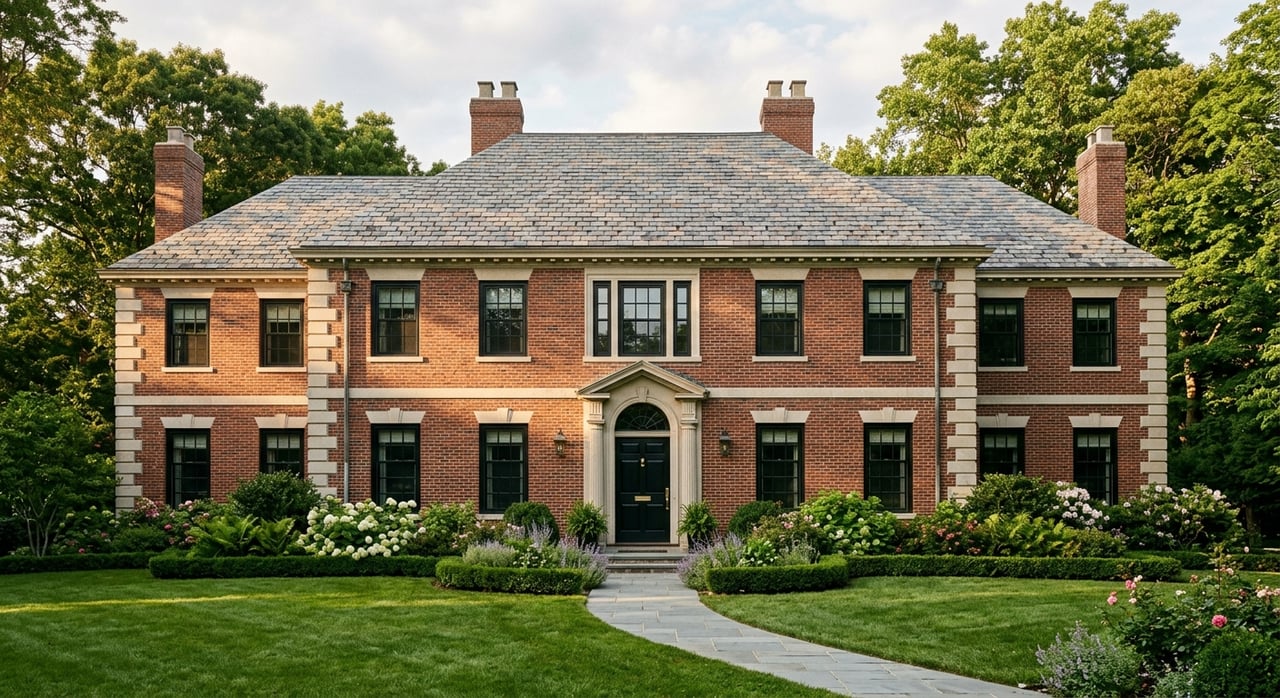
One of Edgemoor’s strengths is that it does not feel overly repetitive. The neighborhood was redrawn in 1924 into narrow, deep lots on a loose grid, and many of those lots were developed with brick Colonial Revival homes.
At the same time, Edgemoor is not limited to one look. Sources describe a layered mix that includes older estates, summer houses, more modest early homes, and later custom residences, including contemporary construction.
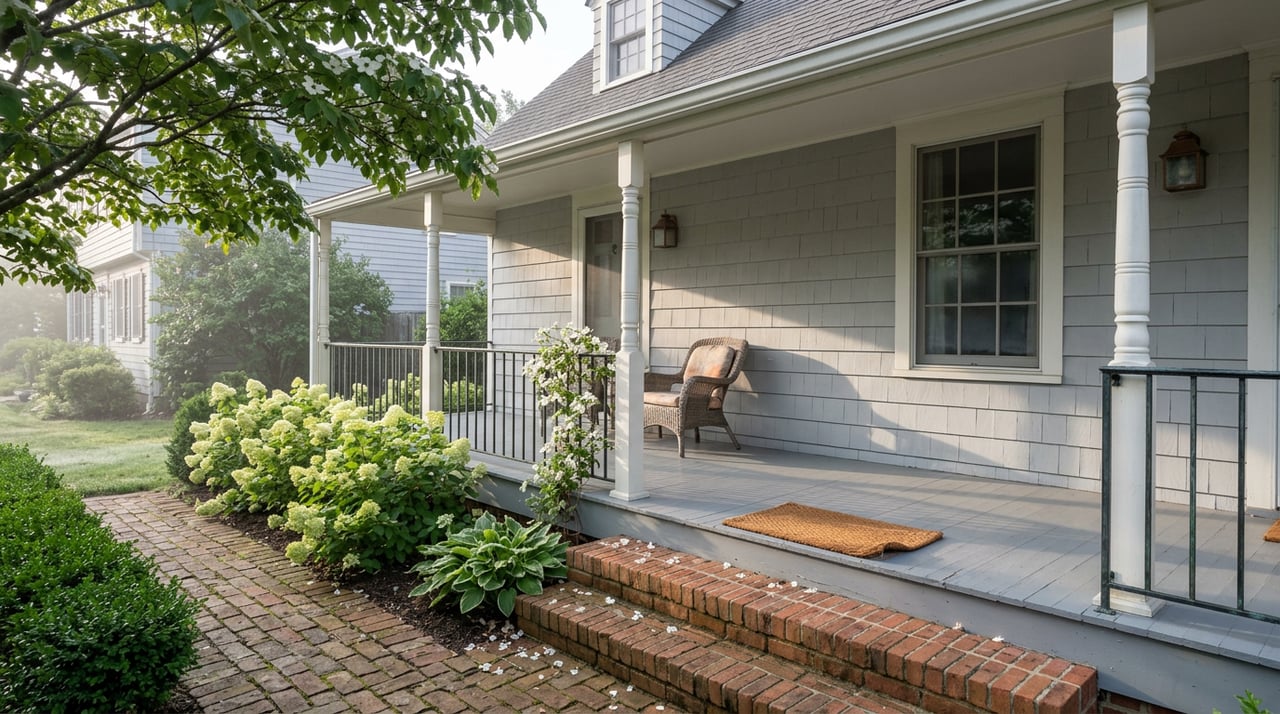
If you are buying, Edgemoor offers variety within a consistently desirable location. You may find classic architecture, larger estate-style parcels, or newer custom homes that reflect modern design preferences.
If you are selling, that mix matters too. Buyers are often drawn to Edgemoor not because every home looks the same, but because the neighborhood combines history, scale, and location in a way that feels established and hard to replicate.
Edgemoor’s appeal is about more than beautiful homes. It is also about how easily the neighborhood connects you to everyday Bethesda life.
Downtown destinations quickly become part of the Edgemoor story because they are so close by. Bethesda Station is at 7460 Wisconsin Avenue, Bethesda Row is at 7262 Woodmont Avenue, and WMATA says Bethesda Station will connect to the future Purple Line Bethesda Station through a new mezzanine.
For buyers who value a more connected lifestyle, Edgemoor checks an important box. The neighborhood’s location supports easy access to downtown Bethesda and a convenient path into Washington.
Montgomery Parks also says the Capital Crescent Trail runs from Georgetown to Silver Spring through Bethesda and is heavily used as a commuter trail to Georgetown and Washington, D.C. That nearby access adds another practical lifestyle benefit for residents who want more transportation and recreation options close to home.
Even with that access, Edgemoor retains a quieter identity. Montgomery Planning’s Bethesda downtown materials have treated Edgemoor as a transition area between the single-family neighborhood and the denser transit-station district.
That planning context helps explain why Edgemoor feels different from many close-in neighborhoods. You get adjacency to a changing urban core, while the streets within Edgemoor remain relatively low-rise and stable.
Strong neighborhoods often have recognizable gathering places, and Edgemoor is no exception. The Edgemoor Club, located at 7415 Exeter Road, has operated since 1920 as a neighborhood tennis and swim club and social hub.
The Edgemoor Citizens Association also generally holds meetings there. Together, those institutions help reinforce the sense that Edgemoor is a longstanding residential community with a clear neighborhood identity.
For some buyers, location and architecture come first. For others, it is just as important that a neighborhood feels established, connected, and rooted.
Edgemoor’s civic and social anchors support that feeling. They give the area more depth than a simple “close to downtown” label and help explain why the neighborhood continues to stand out in Bethesda.
When buyers compare Bethesda neighborhoods, Kenwood often enters the conversation. Kenwood is well known for its cherry trees and its own strong identity, but Edgemoor offers a different kind of appeal.
Edgemoor is the more directly in-town option. Its defining qualities are immediate access to downtown Bethesda, a connection to Bethesda Metro, and a strong civic and club structure within a close-in residential setting.
A helpful way to think about Edgemoor is this: it offers privacy and neighborhood character without sacrificing convenience. Its appeal comes from the blend of historic housing, larger lots, established institutions, and adjacency to Bethesda’s core.
For buyers who want a high-end Bethesda address with walkability and a strong sense of place, that combination can be especially compelling.
Edgemoor often resonates with buyers who want location and livability in equal measure. If you are looking for a neighborhood that places you near downtown Bethesda while still offering a more residential atmosphere, Edgemoor may belong on your shortlist.
It can also appeal to sellers whose homes benefit from thoughtful positioning and neighborhood storytelling. In a place like Edgemoor, buyers are often responding not just to the house itself, but to the neighborhood’s history, access, and reputation.
Because Edgemoor is small, opportunities can feel limited compared with larger Bethesda neighborhoods. The neighborhood’s scale, established reputation, and close-in location can make each listing feel especially significant.
That is one reason a strategic, hyperlocal approach matters. Whether you are preparing to sell or hoping to buy in Edgemoor, it helps to work with someone who understands how buyers interpret block-by-block differences, architectural variety, and the value of immediate proximity to downtown Bethesda.
If you are considering a move in Edgemoor or anywhere nearby, Catherine Triantis offers the kind of local insight, strategic guidance, and hands-on support that can make a meaningful difference.
Stay up to date on the latest real estate trends.
Catherine Triantis carefully tailors her efforts to each individual's needs and preferences. Her success may be attributed to her consultative approach and commitment to consistent communication, attention to detail, and support through all phases of prep, strategic planning, and moving.