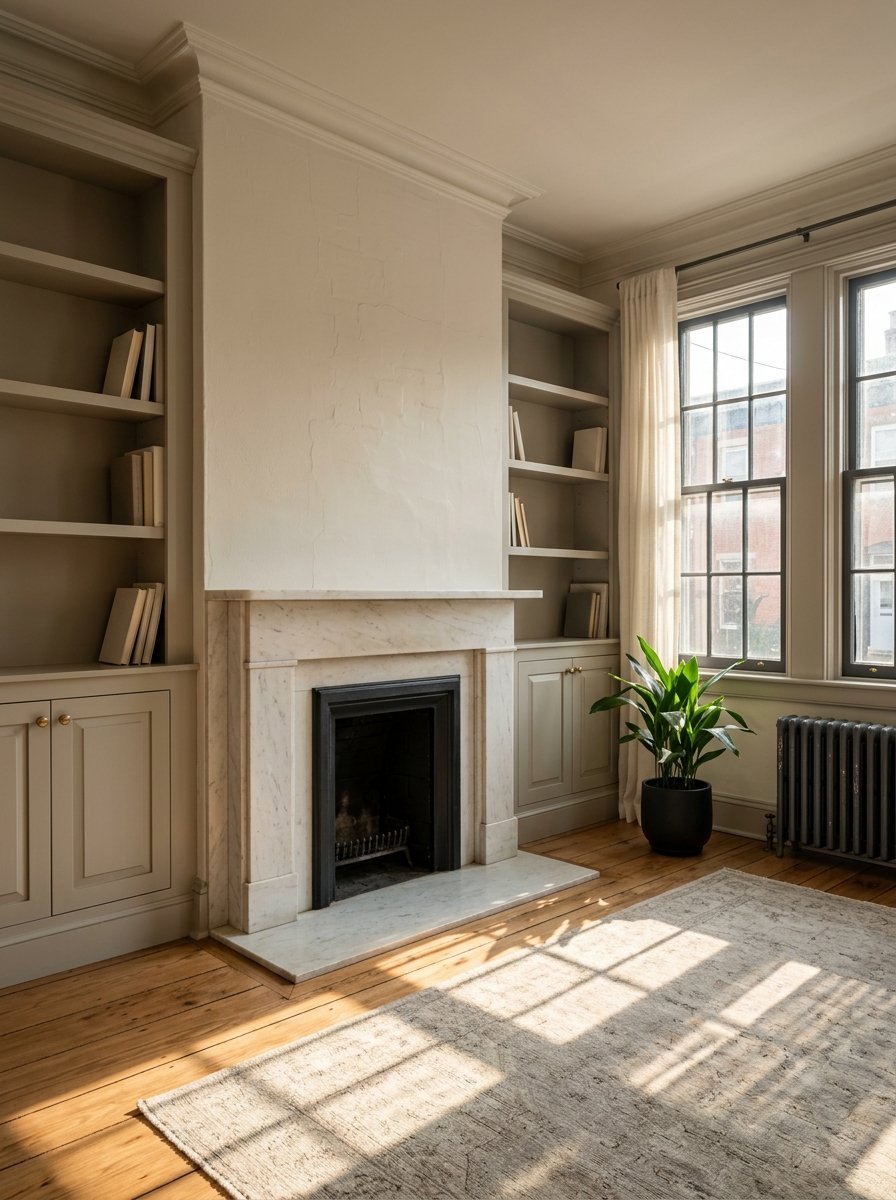
Buying A Historic Home In Georgetown: Key Considerations And Trade-Off
June 25, 2026
June 25, 2026
Thinking about buying a historic home in Georgetown? It is easy to fall for the brick facades, cobblestone streets, and unmistakable sense of place. But before you fall in love with the charm alone, you need to understand the rules, maintenance demands, and renovation limits that can come with owning one of these properties. This guide will help you weigh the real benefits and trade-offs so you can make a smart, confident decision. Let’s dive in.
Georgetown is not just an older part of Washington. It is a federally and locally protected historic district, and it was the first historic district in Washington. It is also a National Historic Landmark, which helps explain why the neighborhood feels unusually intact and distinct today.
The area’s character comes from its preserved rowhouses, brick and wood-frame homes, and architectural styles that range from Georgian and Federal to Victorian-era designs. Georgetown also remains an active neighborhood with waterfront access, canal history, cobblestone streets, and more than 470 businesses. If you want a home with real architectural identity, Georgetown offers that in a way few neighborhoods can.
When you buy in Georgetown, you are not just buying a house. You are buying into a neighborhood where exterior changes are closely reviewed. That means future projects may involve more planning, more approvals, and more patience than they would in many other parts of DC.
This is one of the most important trade-offs to understand early. The same rules that protect Georgetown’s visual character can also limit how freely you update or expand a home.
Georgetown follows a review process that differs from most other historic areas in DC. Exterior work visible from a public street or alley is generally reviewed by the U.S. Commission of Fine Arts through the Old Georgetown Board. Exterior work that is not visible from public space is generally handled by the Historic Preservation Review Board and Historic Preservation Office.
In practical terms, Georgetown tends to function as a design-review neighborhood first and a permitting neighborhood second. If you are considering a purchase with renovation plans, it helps to assume that even sensible exterior updates may face an extra layer of review.
Many buyers are surprised by how broad the review scope can be. It is not limited to major additions or tear-down-level work.
Common examples that may trigger review include:
Visibility matters as much as location. A rear addition may still require review if it can be seen from a public street or alley.
Not every project is equally difficult. Minor work that is not visible from public space is often handled more simply.
Examples that are usually easier include:
Interior-only changes are generally not subject to preservation review unless the property has a specifically designated historic interior. That can give you more flexibility inside the home than you may expect.
If your dream is to buy a smaller historic house and dramatically expand it later, Georgetown may not be the easiest fit. The district’s policies generally expect additions to remain subordinate to the original structure.
Large rear additions, visible roof additions, and side additions that dominate the historic home are discouraged. Underground additions are also discouraged because of their potential impact on mature trees, landscape, and impervious surface.
Historic windows are treated as character-defining features. In many cases, the preference is to restore older windows rather than replace them, especially if they were installed before 1950. When replacements are allowed on visible elevations, they are generally expected to match the style and materials of the building.
That can affect both your renovation budget and your energy-efficiency strategy. In some cases, interior storm windows or energy panels may be acceptable where insulated glazing is not appropriate.
Georgetown’s preservation approach emphasizes repair over replacement when feasible. New work is expected to be compatible with the original building’s size, scale, massing, and architectural features.
For buyers, that means charm often comes with stewardship. If you value authenticity, this may feel like part of the appeal. If you want easy cosmetic swaps and fast exterior updates, it may feel restrictive.
A standard home inspection matters, but with an older Georgetown property, you should think beyond finishes and staging. Older homes need to be evaluated as full systems, including the roof, structure, envelope, moisture control, and major mechanical components.
That approach is especially important in a neighborhood where preservation value and building age often overlap.
Roofs, flashing, gutters, downspouts, and chimneys deserve close attention. In historic buildings, roof shape, materials, and projections are important architectural elements, but they are also common pathways for deferred maintenance and water intrusion.
Moisture control is a major issue in older homes. Drainage away from the foundation, basement water management, and roof or attic conditions that avoid condensation can all make a big difference in the home’s long-term condition.
Because Georgetown’s housing stock often includes older brick and wood-frame structures, windows and masonry deserve extra scrutiny. Look closely for deteriorated sashes, failed glazing or caulking, repointing needs, and signs of patchwork repairs.
These elements can carry both preservation value and maintenance risk. A home that looks beautiful from the sidewalk may still need thoughtful and sometimes costly work behind the scenes.
For many Georgetown homes, lead-based paint is one of the most important health-related issues to understand before closing. EPA states that older homes are more likely to contain lead-based paint, especially homes built before 1978.
If you are buying a pre-1978 property, you generally have the right to receive known lead information before signing a contract. Sellers must provide available records, a lead warning statement, and a 10-day opportunity to conduct an inspection or risk assessment unless that right is waived.
If future renovation work could disturb lead paint, EPA requires lead-safe certified contractors for renovation, repair, and painting projects in pre-1978 homes. This is a key point for buyers planning updates soon after purchase.
In Georgetown, due diligence should go beyond the standard inspection and disclosures. If you are planning major exterior work, ask for the property’s Old Georgetown Board and Commission of Fine Arts review history, along with prior submission files where available.
Those records can help you understand what has already been approved, what exterior changes were made in the past, and where future plans may face resistance. This step can save time, money, and disappointment later.
Georgetown offers something rare: a deeply preserved streetscape paired with an active urban setting. You get architecture that still feels tied to 18th- and 19th-century Georgetown, plus retail, dining, waterfront access, and a neighborhood rhythm that remains very much alive.
For many buyers, that mix is the draw. You are not just buying square footage. You are buying a sense of place.
The trade-off is less freedom. Community participation is active, major projects can draw public attention, and the review process can be slow and detailed. Buyers who want flexibility to add a large roof deck, expand dramatically, or modernize visible exterior elements with minimal oversight may find Georgetown frustrating.
Georgetown historic homes are often a strong fit if you:
They may be less ideal if you:
Buying a historic home in Georgetown can be incredibly rewarding, but it works best when your expectations match the reality of ownership. The charm is real, and so are the responsibilities. If you understand the review process, inspect carefully, and think strategically about future plans, you can buy with much more confidence.
If you are considering a Georgetown purchase and want thoughtful guidance on fit, value, and long-term trade-offs, Catherine Triantis can help you evaluate the options with the kind of local insight and steady advice that makes a difference.
Stay up to date on the latest real estate trends.
Catherine Triantis carefully tailors her efforts to each individual's needs and preferences. Her success may be attributed to her consultative approach and commitment to consistent communication, attention to detail, and support through all phases of prep, strategic planning, and moving.