Chevy Chase vs Bethesda: Key Lifestyle Differences
July 16, 2026
July 16, 2026
Choosing between Bethesda and Chevy Chase can feel harder than it should. On a map, they sit close together, and both are well-known in close-in Montgomery County. But once you look past the zip codes and familiar names, the differences become clearer and much more useful for your home search. If you want to understand how daily life, housing patterns, and local structure really compare, this guide will help you sort through it. Let’s dive in.
The biggest difference is this: Bethesda is centered around an unincorporated downtown, while Chevy Chase is a collection of separate towns, villages, and nearby residential areas.
That may sound technical, but it shapes how each place feels. Montgomery County supports Bethesda as an unincorporated urban core through the Bethesda-Chevy Chase Regional Services Center and the Bethesda Urban Partnership, which helps maintain and promote downtown Bethesda. Chevy Chase, by contrast, is not one single jurisdiction. It includes places such as the Town of Chevy Chase, Chevy Chase Village, Martin's Additions, and the Friendship Heights area on the Maryland side.
If you are comparing the two, the most accurate lens is not neighborhood versus neighborhood. It is an established mixed-use downtown versus a network of village-scale residential enclaves and a few retail nodes.
Bethesda is not an incorporated municipality. Instead, Montgomery County treats it as an unincorporated downtown with a formal urban district model designed to support a prosperous, livable urban center.
That structure helps explain why downtown Bethesda feels coordinated and active. The Bethesda Urban Partnership plays an ongoing role in maintaining and marketing the downtown area, and that support shows up in the district’s walkable commercial core, streetscape, and day-to-day energy.
For you as a buyer or seller, that means Bethesda is often experienced as one connected place, especially around its downtown center. The identity is tied less to village boundaries and more to a shared urban hub.
Chevy Chase is more layered. Rather than operating as one unified municipality, it includes several incorporated communities with their own boundaries and, in some cases, their own local services.
The Town of Chevy Chase is a self-governing municipality. Chevy Chase Village is an incorporated historic community with its own municipal government, police, and public works. Martin's Additions is another incorporated village in the broader Chevy Chase area, and Friendship Heights adds a separate border-area dynamic with residential and retail components.
This patchwork matters because it gives Chevy Chase a different rhythm. Instead of one obvious downtown center, you get a collection of residential settings that often feel smaller-scale, more local, and more village-oriented.
If you are trying to picture the daily environment, this is where the contrast becomes easy to see. Bethesda generally feels denser and more mixed-use, while Chevy Chase generally feels more residential and village-like.
Downtown Bethesda is known for a walkable mixed-use setting. Bethesda Row, for example, includes more than 300,000 square feet of retail and restaurant space, more than 140,000 square feet of office space, and 180 residences. That kind of layout creates a more urban feel, where homes, offices, dining, and shopping sit close together.
Chevy Chase tends to read differently. Chevy Chase Village is a historic community of 720 homes on just under half a square mile, with tree-lined streets, brick sidewalks, open parks, and access to nearby transit, shopping, restaurants, and theaters. The Town of Chevy Chase includes 1,032 homes and maintains local responsibilities such as sidewalk and street repair, tree planting, and trash collection.
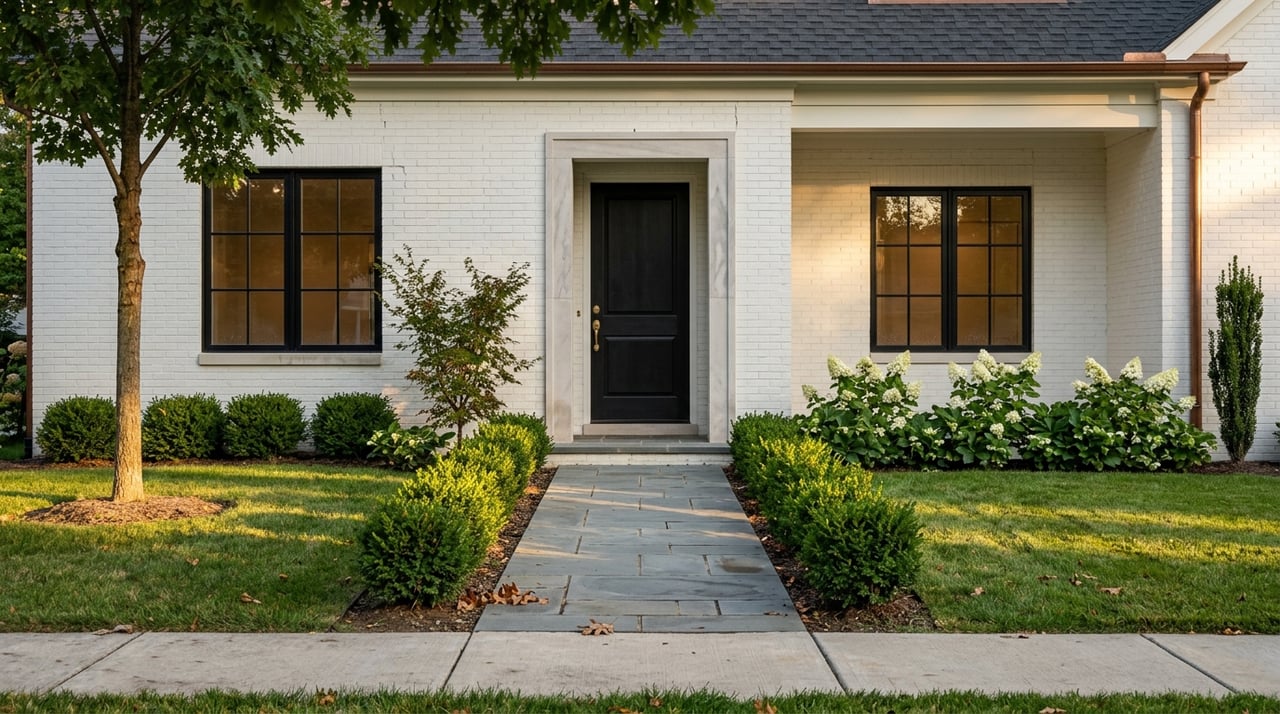
For many buyers, the practical takeaway is simple. Bethesda may appeal if you want a smaller-footprint home or condo-style option near shops and offices. Chevy Chase may appeal if you prefer a quieter residential street pattern and a more neighborhood-focused atmosphere.
Both areas offer convenience, but they deliver it in different ways.
Bethesda’s walkable core is concentrated around downtown Bethesda, Bethesda Row, and the Metro corridor. The area is known for brick sidewalks, plazas, street trees, and connections to Metro and trails. The Bethesda Urban Partnership also runs the free Bethesda Circulator through downtown.
That setup can make daily routines feel less car-dependent. If you like the idea of walking to errands, meeting friends for dinner, or combining work and home life in one compact area, Bethesda often delivers that experience more directly.
Chevy Chase has walkable pockets, but they are more selective and less centered on one single downtown district. Friendship Heights is the main urban-style node, with retail and office uses clustered along Wisconsin Avenue and high-rise residential and office buildings on the Montgomery County side.
Outside that node, the experience shifts back toward residential streets and village-scale living. In places like Chevy Chase Village, the appeal is often less about living in a busy downtown and more about having close-in access while keeping a quieter home setting.
Another area to watch is Chevy Chase Lake. Montgomery County approved a sector plan there that envisions mixed-use development, public open space, and a future Purple Line stop.
That makes Chevy Chase Lake more of a redevelopment story than an already mature urban center. If you are interested in an area evolving over time, this part of greater Chevy Chase may stand out for different reasons than downtown Bethesda.
For many buyers, commute style is one of the clearest deciding factors.
Bethesda is the stronger fit if you want a Metro-centric lifestyle. Bethesda Station sits on the Red Line, and downtown Bethesda has more than 400 employers with 25 or more employees, more than 15,000 weekday Metrorail users, 11 Ride On routes, six Metrobus routes, and the free Bethesda Circulator.
That level of transit access supports a routine built around rail, bus, biking, and walking. If you expect frequent trips into DC or other close-in job centers, Bethesda often feels designed for that kind of movement.
Chevy Chase is also transit-viable, especially around Friendship Heights. The Friendship Heights station is on the Red Line, and the district has more than 17,000 daily Metrorail users, along with six Ride On routes and ten Metrobus routes.
The difference is that Friendship Heights functions as a border-area district rather than a single downtown identity for all of Chevy Chase. If you want close-in convenience and solid transit access without centering your life around a Bethesda-style downtown, Chevy Chase may feel like the better balance.
There is no universal winner here. The better fit depends on how you want your day to work.
Bethesda often suits buyers who prioritize walkability, mixed-use convenience, and easy rail access. If you want to step outside and be close to restaurants, offices, transit, and errands, Bethesda’s urban core may align well with your goals.
Chevy Chase often appeals to buyers who want a more residential setting, a stronger sense of municipal identity, and a less urban daily feel. If your priority is a tree-lined environment with village-scale character and selective access to retail and transit nodes, Chevy Chase may feel more natural.
The key is to think in terms of trade-offs, not rankings. Both locations are close-in and convenient, but they support different lifestyles in subtle yet meaningful ways.
If you are early in the process, it helps to ask yourself a few practical questions before narrowing your search.
These questions can quickly sharpen your direction. In many cases, buyers are not choosing between two interchangeable locations. They are choosing between two different ways of living close to DC.
If you are selling, understanding this difference matters just as much. Buyers respond to positioning, and the strongest messaging usually comes from describing a property in the context of how the area actually functions.
A home in Bethesda may attract buyers focused on mixed-use convenience, downtown access, and transit-oriented living. A home in Chevy Chase may resonate more with buyers looking for residential character, quieter streets, and the appeal of a distinct village or town setting.
That is why hyperlocal strategy matters. The same square footage or price point can be interpreted differently depending on whether the surrounding story is urban, village-like, transit-centered, or primarily residential.
If you are weighing Bethesda versus Chevy Chase as a buyer, seller, or both, a nuanced read of the micro-location can make the decision much easier. For tailored guidance on close-in Montgomery County neighborhoods, connect with Catherine Triantis.
Stay up to date on the latest real estate trends.

Catherine Triantis carefully tailors her efforts to each individual's needs and preferences. Her success may be attributed to her consultative approach and commitment to consistent communication, attention to detail, and support through all phases of prep, strategic planning, and moving.