Kensington MD Living With Historic Charm and Creative Energy
July 2, 2026
July 2, 2026
Looking for a close-in Maryland town that feels both classic and a little unexpected? Kensington offers exactly that mix. If you want a place with historic character, everyday convenience, and a lively creative streak, this small Montgomery County town deserves a closer look. Here’s what makes Kensington distinctive and why it continues to appeal to buyers and sellers who value charm, access, and a strong sense of place. Let’s dive in.
Kensington is a small incorporated town in Montgomery County that was established in 1894. The town describes itself as a community with a strong sense of connection, where you can enjoy small-town living along with shopping and dining nearby.
It is also notably close in. Explore Kensington places the town about four miles from Washington, DC, two miles from the Capital Beltway, and about one-half mile from the Rock Creek-Beach Drive Bike Path. That combination gives you the feel of a village setting without giving up access to the wider region.
The scale is part of the appeal. The town’s resident demographics page lists about 2,122 residents and 789 housing units, based on 2020 population estimates and 2019 American Community Survey data. For many buyers, that smaller footprint creates a more personal, easier-to-learn community experience.
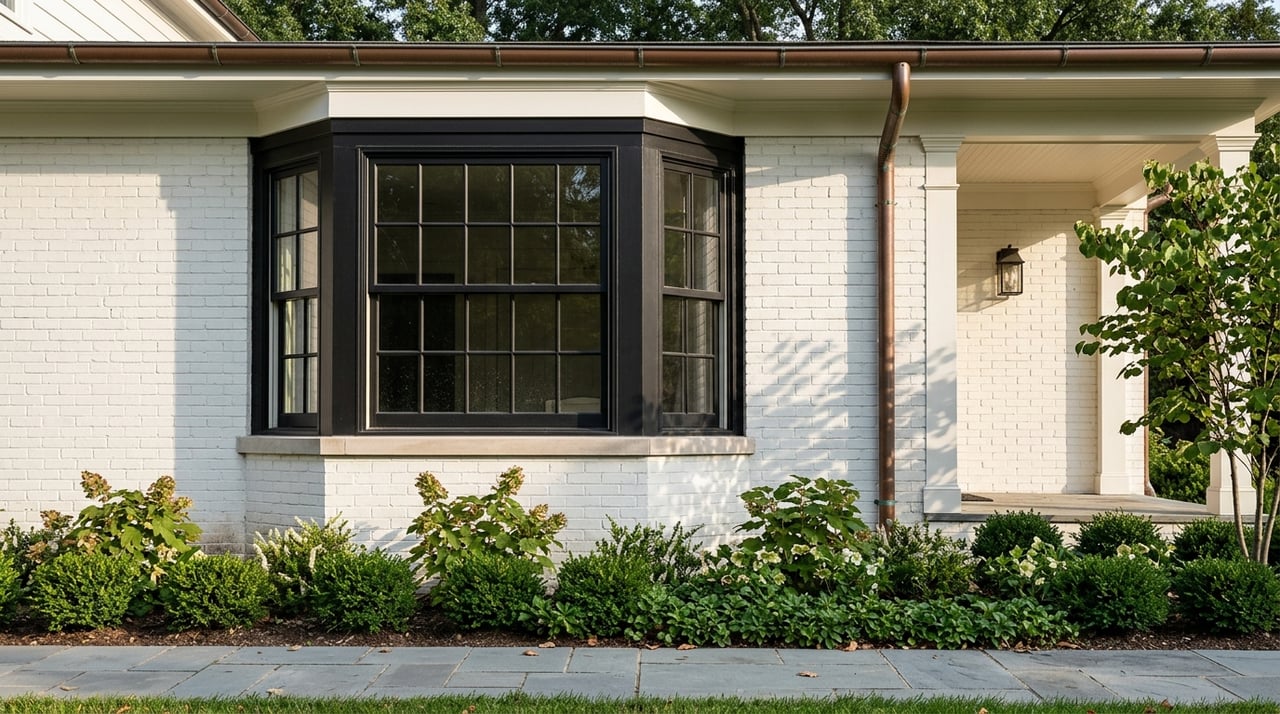
Kensington is widely known for its historic identity. The town’s history notes trace the area back to Knowles Station and describe Kensington as a Victorian-era garden suburb of Washington, DC.
That heritage is still visible today. The Kensington Historic District was placed on the National Register of Historic Places in 1980 and added to Montgomery County’s Master Plan for Historic Preservation in 1986. Much of the town’s historic character remains under county protection.
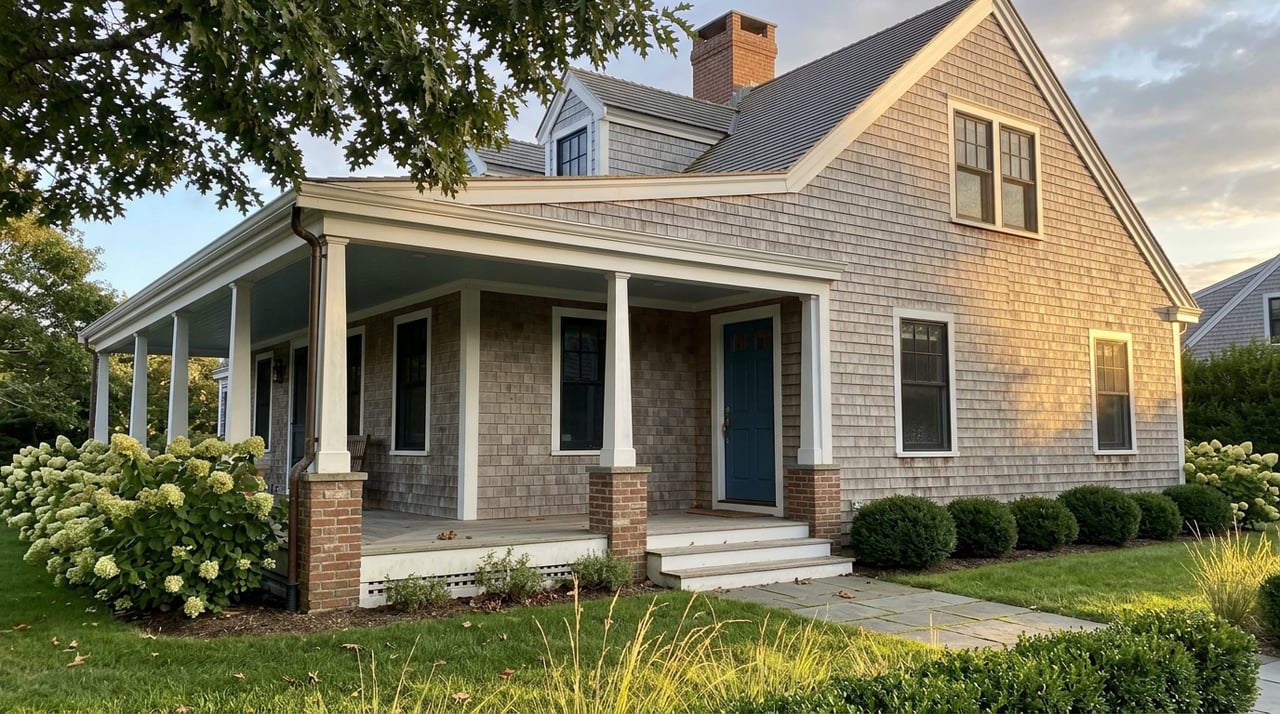
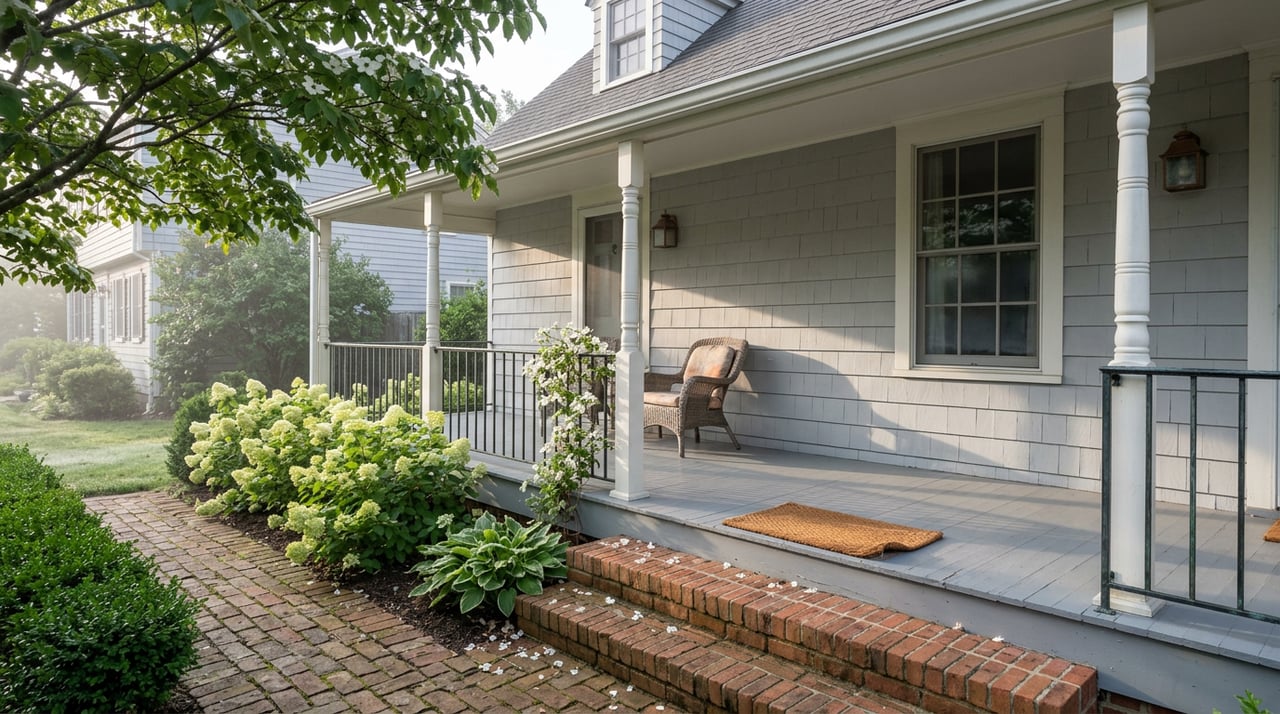
For buyers, that can mean a streetscape with lasting architectural appeal. Character-defining styles in the district include Queen Anne, Colonial Revival, American Four-Square, Bungalow, Shingle Style, Federal Revival, and Gothic Revival.
For sellers, historic status can be an advantage when marketing a home with authentic period detail and a strong sense of place. It can also affect planning for improvements, since some exterior changes may require county review. If you own a historic property, preparation and strategy matter.
Kensington is not just preserved. It is active, expressive, and locally driven. The town has long been associated with Antique Row and Victorian homes, but it also continues to evolve as a unique and creative district with independent shops and restaurants.
That creative identity is especially visible through public art. Kensington’s Art Walk includes 25 works placed throughout town in parks and on buildings, with themes tied to community spirit, creative arts, nature, and history.
This matters because it changes the feel of everyday life. In some towns, art is tucked away. In Kensington, it is part of the streetscape, which helps the town feel more personal, distinctive, and memorable.
If you value independent businesses over a more generic commercial experience, Kensington has a lot to offer. The town’s shopping and dining information highlights a broad mix of local stores and services across different parts of town.
Old Town features antique shops, bookstores, consignment, jewelry, home décor, and gift shops. West Howard adds more antiques, gifts, and home décor, along with practical businesses like pet, pharmacy, flooring, and hardware stores.
Kensington North includes casual clothing, jewelry, art shops, a thrift shop, and a florist. Together, these areas support the idea of Kensington as a place where you can enjoy daily errands, casual browsing, and small discoveries in a walkable village-style setting.
Some places look charming from the outside but feel quiet once you settle in. Kensington stands out because community programming helps keep the town active and connected.
The town event calendar lists the Kensington Farmers’ Market as a recurring Saturday event. Programming like the Noyes StoryWalk, which has run along storefronts on Antique Row and nearby avenues, adds another layer of local activity.
Explore Kensington also highlights concerts, local theater, creative classes, and local artists. Add in places like the Noyes Children’s Library, and the result is a town that feels lived in rather than purely historic or commercial.
Kensington offers more variety than some buyers expect from a small town. Montgomery Planning describes housing that serves a range of ages and incomes, from small apartments near Antique Row to stately single-family houses in the historic district and housing targeted to older residents.
That range can be helpful if you are approaching the market from different stages of life. You may be looking for a historic detached home, a lower-maintenance option, or a property that keeps you close to the town center.
For sellers, this variety can also widen the potential buyer pool. A home in Kensington may appeal to someone drawn to architecture, someone prioritizing convenience, or someone seeking a close-in move with more character than a typical suburban setting.
Transit is a meaningful part of Kensington’s appeal. The Kensington MARC station sits on the Brunswick Line between Brunswick and Washington Union Station.
The station also connects with Ride On routes 4, 33, and 34. Montgomery County’s route information shows Route 4 connecting Silver Spring, Kensington, and Wheaton, while Route 34 runs between Wheaton, Kensington, and Bethesda.
For many buyers, especially those comparing close-in Montgomery County options, this matters. Access by car, MARC, bus, Metro, and bicycle supports flexibility, and it reinforces Kensington’s identity as a commuter-friendly suburb rather than a far-out destination.
Kensington’s planning context supports the town’s village-like identity. Montgomery Planning describes Kensington as a critical crossroads in the county road network, and the 2012 Kensington Sector Plan envisions a mixed-use town center with pedestrian-friendly connections.
That planning direction aligns with what many people notice on the ground. You have a town center, local businesses, public art, recurring events, and transportation connections in a relatively compact area.
If you are searching for a place that feels established and connected, this walkable core can be a major plus. If you are selling, it can also be an important part of how your home is positioned in the market.
Kensington can be a smart fit if you want a close-in location with architectural character and a more intimate scale. It may be especially appealing if you value local shops, a creative atmosphere, and access to multiple commuting options.
At the same time, not every home search here is simple. Historic properties may come with preservation considerations, and inventory in a small town can feel limited compared with larger nearby markets.
That is why local guidance matters. Understanding the housing mix, the historic district, and the micro-location within town can help you make a more confident decision.
If you own a home in Kensington, your property may have appeal that goes well beyond square footage alone. Buyers are often responding to a combination of architecture, town character, convenience, and the overall lifestyle the location supports.
That means presentation and positioning are especially important. For historic homes, thoughtful preparation can help highlight original details while addressing what today’s buyers expect.
It also helps to market the setting, not just the house. In Kensington, the story often includes preservation, local businesses, public art, transit access, and a true small-town identity within close reach of Washington.
Kensington offers something that can be hard to find in one place. You get a historic town with a genuine center, a creative local culture, and practical regional access.
It is small, but it is not isolated. It is charming, but it is not static. And for buyers and sellers who care about both lifestyle and long-term value, that balance can make Kensington especially compelling.
If you are considering a move in or around Kensington, it helps to work with an advisor who understands how hyperlocal factors shape demand, pricing, and buyer perception. To talk through your goals, connect with Catherine Triantis.
Stay up to date on the latest real estate trends.


Catherine Triantis carefully tailors her efforts to each individual's needs and preferences. Her success may be attributed to her consultative approach and commitment to consistent communication, attention to detail, and support through all phases of prep, strategic planning, and moving.