11,039 people live in Georgetown, where the median age is 47 and the average individual income is $130,165. Data provided by the U.S. Census Bureau.
Total Population
Median Age
Population Density Population Density This is the number of people per square mile in a neighborhood.
Average individual Income
Georgetown is Washington, D.C.'s most historic and prestigious neighborhood, predating the nation's capital by 40 years. Founded in 1751 as a colonial Maryland tobacco port, it now stands as an elegant enclave of Federal-style rowhouses, cobblestone streets, and world-class dining and shopping along the Potomac River.
The neighborhood attracts affluent professionals, diplomats, academics, and established families who value walkability, architectural heritage, and urban sophistication. With Georgetown University as its academic anchor and embassies from France, Sweden, Thailand, and Ukraine within its borders, the community maintains an international, cultured character.
The intersection of Wisconsin Avenue and M Street forms the commercial heart, recognized as one of America's premier shopping districts. The waterfront has undergone significant revitalization, with Georgetown Waterfront Park offering 10 acres of recreational space and river views. This blend of historic charm, modern amenities, and natural beauty makes Georgetown one of the most desirable addresses in the metropolitan Washington area.
Georgetown's history begins with the Anacostan Indians, who established the village of Tahoga at the confluence of Rock Creek and the Potomac River, using it as a central trading place for regional tribes. English explorers arrived in the early 1600s, and by 1745, George Gordon had constructed a tobacco inspection house that would become the foundation of the settlement.
The Maryland legislature officially established Georgetown in 1751, purchasing 60 acres from Gordon and George Beall. The town may have been named for King George II or for its two founding Georges. By 1791, George Washington declared Georgetown the greatest tobacco market in Maryland, and he included it in his plans for the new Federal City.
The Chesapeake and Ohio Canal, begun in 1828 and reaching Cumberland, Maryland by 1851, sustained Georgetown's commercial importance after tobacco shipping declined. The neighborhood was absorbed into the District of Columbia in 1871, with street names standardized in 1895. The Old Georgetown Act of 1950 preserved its historic character, and in 1967, Georgetown was designated a National Historic Landmark District.
Georgetown occupies the northwest quadrant of Washington, D.C., situated at the confluence of the Potomac River and Rock Creek, approximately 2.5 miles northwest of the U.S. Capitol. The neighborhood spans roughly 750 acres and sits at the Atlantic Seaboard Fall Line, the historic head of navigation on the Potomac.
The boundaries are defined by Reservoir Road to the north, Georgetown University grounds to the west, the Potomac River to the south, and Rock Creek Park to the east. Adjacent neighborhoods include Foggy Bottom, Burleith, Glover Park, and the West End. The Francis Scott Key Bridge connects Georgetown to Rosslyn, Virginia.
Washington, D.C. experiences a humid subtropical climate with four distinct seasons. Summers are hot and humid with temperatures often exceeding 90°F, while winters are generally mild with occasional snow. Annual sunshine totals approximately 2,529 hours. Georgetown's riverfront location makes it susceptible to occasional flooding during major storms, a consideration for property buyers in low-lying areas near the waterfront.
Georgetown consistently ranks among Washington's most expensive neighborhoods. As of late 2025, the median sale price hovers between $1.4 million and $1.9 million, depending on property type and market conditions. The median price per square foot ranges from $677 to $900, reflecting the premium placed on historic architecture and prime location.
Homes typically spend 29 to 45 days on market, with desirable properties moving faster. The market remains competitive, with many homes receiving multiple offers and selling near or at list price. Cash transactions account for approximately 60% of sales, reflecting the neighborhood's affluent buyer pool.
Inventory remains constrained due to the historic district's limited buildable land and strict preservation requirements. The luxury segment (homes over $2 million) continues to show resilience, with estates occasionally listing at $15 million to $20 million or more. Long-term appreciation has been strong, with Georgetown's median prices increasing significantly over the past decade.
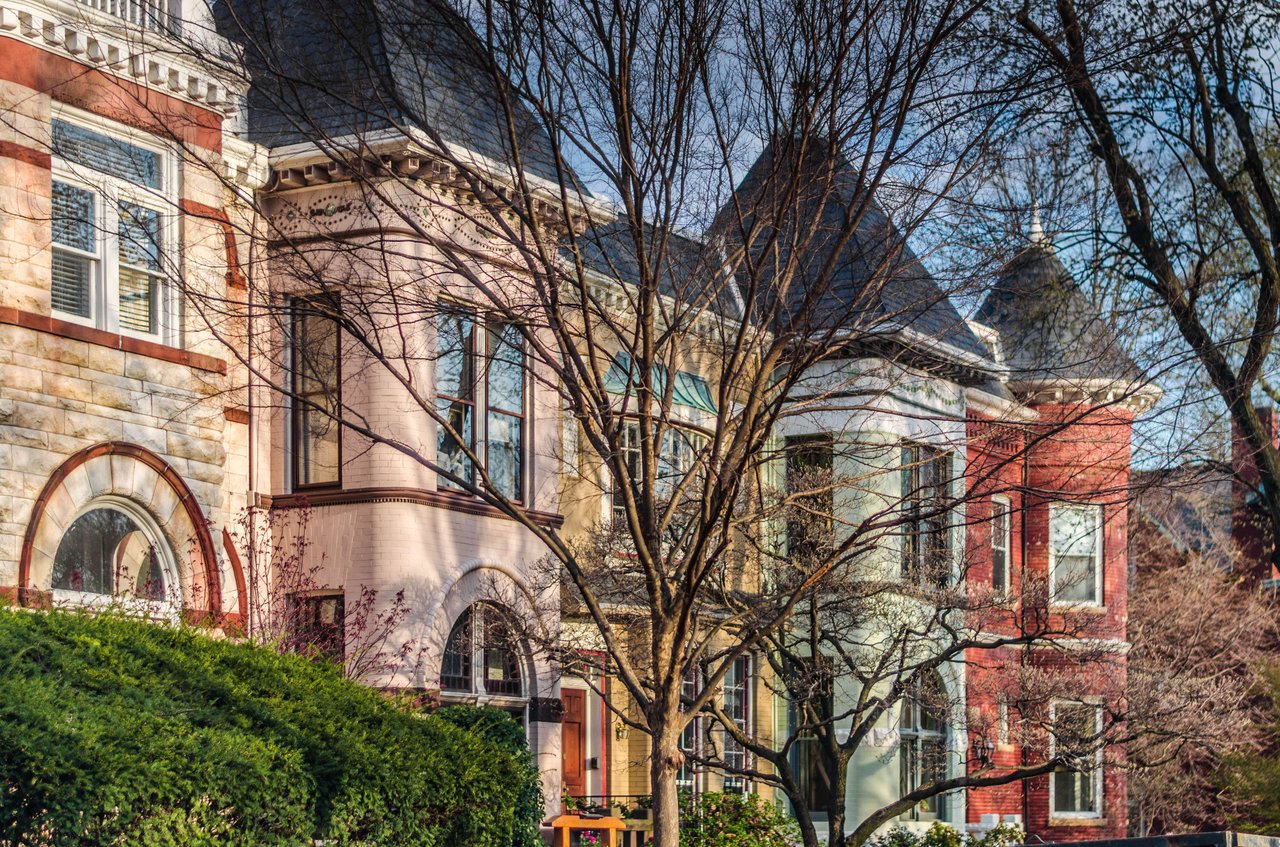
Georgetown's housing stock is defined by its historic character. Federal-style and Georgian rowhouses from the 18th and 19th centuries dominate the streetscape, typically featuring brick or stone construction, three to four stories, high ceilings, decorative moldings, and rear gardens. Many have been meticulously restored while incorporating modern amenities.
Luxury condominiums offer an alternative for buyers seeking lower maintenance. Notable developments include the Four Seasons Private Residences, the Ritz Residences (28 units), the Madelon, Canal House, and waterfront properties at Washington Harbour, 3303 Water Street, and the Residences at Harbourside. Condo prices typically range from $500,000 for smaller units to several million for penthouses.
Grand estates on streets like N Street, O Street, and Volta Place feature expansive lots, formal gardens, carriage houses, and architectural details spanning multiple eras. These properties attract diplomatic families, executives, and buyers seeking privacy within an urban setting. Rental opportunities exist but are limited, with one-bedroom apartments averaging $2,300 to $3,500 monthly.
Moving to Georgetown requires advance planning. Street parking is extremely limited, and most moving companies need permits for loading zones. Contact the District Department of Transportation for temporary no-parking signs. Many narrow streets and historic properties present access challenges for large moving trucks.
Establish utilities early. PEPCO handles electricity, Washington Gas provides natural gas, and DC Water manages water and sewer. Georgetown residents often rely on multiple internet providers; Verizon Fios and Comcast Xfinity are common choices. Register for Residential Permit Parking (RPP) in Zone 2 immediately upon moving.
Familiarize yourself with the Citizens Association of Georgetown (CAG), which serves as the neighborhood's civic organization. Historic preservation rules govern exterior modifications, so consult the Old Georgetown Board before any renovation work. Local services, from dry cleaning to grocery delivery, are abundant along M Street and Wisconsin Avenue.
Historic preservation requirements are paramount. All exterior changes require approval from the Old Georgetown Board, which can limit renovation options and increase costs. Review the property's historic designation status and any existing restrictions before purchase.
Parking is a significant consideration. On-street parking requires residential permits, and private parking spaces are rare and valuable. Some properties include garages or driveways, which can add $50,000 to $100,000 to value. Flood risk affects approximately 11% of Georgetown properties, particularly near the waterfront; verify FEMA flood zone status and insurance requirements.
Property age means potential infrastructure issues: aging plumbing, electrical systems, and foundation concerns. Budget for comprehensive inspections covering structural integrity, HVAC, roofing, and pest assessment. Condo buyers should review HOA financials, reserve funds, and building maintenance history. School boundaries place Georgetown within the Wilson High School cluster, though many families opt for private education.
Seasonality matters in Georgetown. Spring (April through June) typically generates the highest buyer activity and prices, as families seek to relocate before the school year. Fall brings a secondary surge when political staffers and professionals return after summer recess. Winter sales are slower but attract serious, often cash-ready buyers.
Staging should emphasize Georgetown's historic charm while showcasing modern updates. Buyers expect quality finishes: updated kitchens, renovated bathrooms, and preserved original details like hardwood floors, fireplaces, and crown moldings. Professional photography highlighting architectural features, gardens, and neighborhood context is essential.
Price strategically. Overpricing in Georgetown leads to extended market time and eventual reductions. Work with agents experienced in the neighborhood's micro-markets. Highlight parking availability, outdoor space, and proximity to M Street or the waterfront. Expect sophisticated buyers who will scrutinize inspection reports and title history.
Georgetown's dining scene spans legendary establishments and buzzworthy newcomers. Martin's Tavern, operating since 1933, is where JFK proposed to Jackie. Filomena Ristorante serves handmade pasta from its famous 'Pasta Mamas.' The 1789 Restaurant, housed in a Federal-style building, offers refined American cuisine with exceptional service.
French influences run strong: Chez Billy Sud for intimate neo-bistro fare, La Chaumière for classic country French, and Boulangerie Christophe for pastries. Fiola Mare commands the waterfront with upscale seafood and a dress code. Café Milano draws diplomats and celebrities for Italian coastal cuisine.
Recent arrivals include Osteria Mozza from Stephen Starr and Nancy Silverton, along with a wave of Japanese restaurants including Sushi Gaku and Koryouri Urara. The Tombs, below 1789, provides a collegiate pub atmosphere near Georgetown University. Farmers Fishers Bakers offers an extensive brunch buffet at Washington Harbour. Evening entertainment includes The Graham rooftop bar and seasonal waterfront venues.
M Street and Wisconsin Avenue form one of America's most celebrated shopping districts, with over 150 fashion retailers. Major brands include Apple, Anthropologie, J.Crew, Lululemon, Patagonia, Ralph Lauren, and Kate Spade. Kim Kardashian's SKIMS opened its first brick-and-mortar store here, joining Reformation, Sézane, and Alice + Olivia.
Book Hill, along upper Wisconsin Avenue, offers independent boutiques, antique dealers, and art galleries. The Phoenix has specialized in artisan jewelry and fair-trade goods since the 1950s. Cady's Alley anchors the Georgetown Design District with 20+ high-end home furnishing showrooms. Georgetown Park provides indoor shopping with a mix of retailers including TJ Maxx and H&M.
Local favorites include Tuckernuck for preppy American style, Everard's Clothing for tailored menswear, and SCOUT Bags for practical, colorful accessories. Specialty shops offer everything from Olivia Macaron's French confections to Georgetown Tobacco's pipes and accessories. Grocery options include Safeway on Wisconsin Avenue and Trader Joe's, supplemented by specialty markets like Dent Place Market.
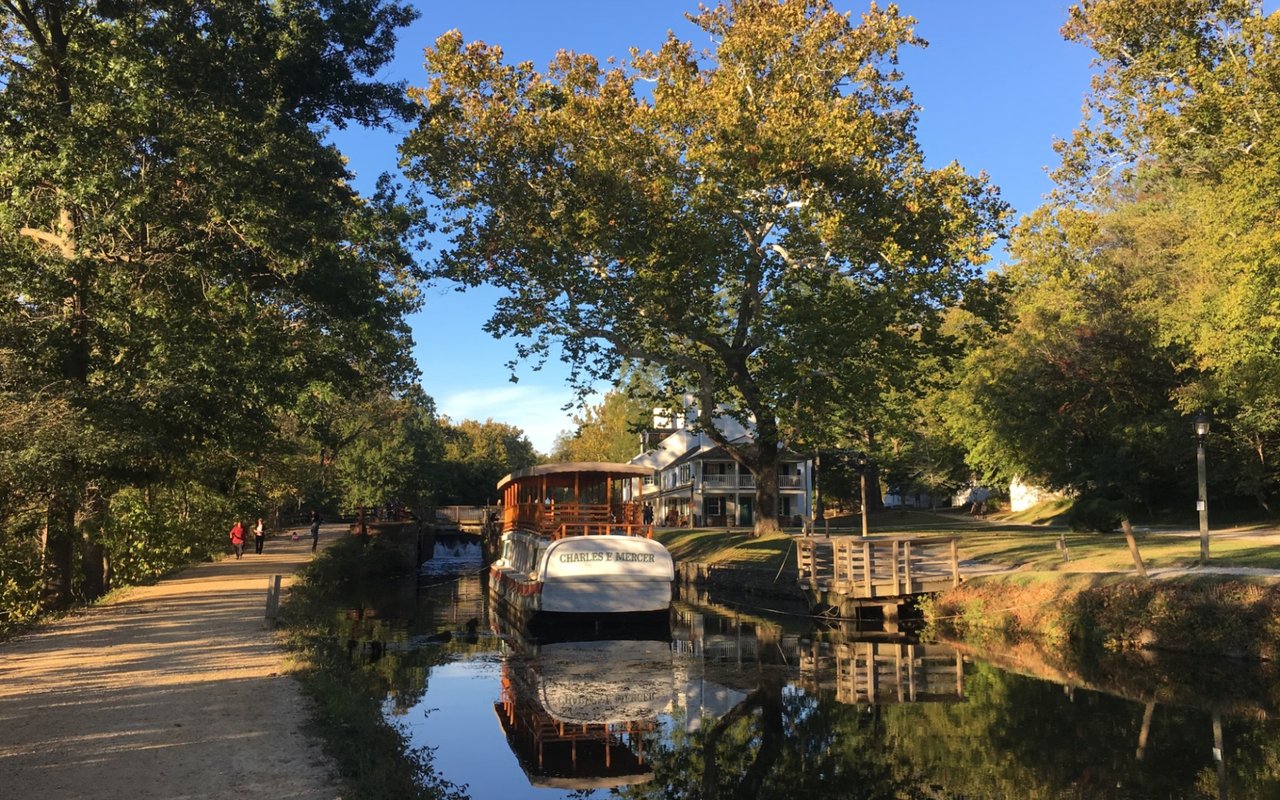
Georgetown Waterfront Park offers 10 acres along the Potomac, featuring sloped lawns, a promenade, splash fountain, and views of Key Bridge and Theodore Roosevelt Island. The park connects to the C&O Canal Towpath, a 184.5-mile trail extending to Cumberland, Maryland, popular for walking, running, and cycling.
The Capital Crescent Trail provides a 7-mile paved route west to Bethesda, passing through Little Falls Park. Key Bridge Boathouse rents kayaks, canoes, and stand-up paddleboards. Thompson Boat Center offers rowing and sailing programs. The Glover Archibold Trail runs 3 miles north through wooded terrain to Cleveland Park.
Dumbarton Oaks features 10 acres of formal gardens open to the public, along with Byzantine and pre-Columbian art collections. Montrose Park and Volta Park provide playgrounds and open green space. The Oak Hill Cemetery, established in 1849, offers peaceful walking paths. For winter recreation, Washington Harbour transforms its fountain plaza into D.C.'s largest outdoor ice skating rink.
Georgetown falls within the District of Columbia Public Schools system. Hyde-Addison Elementary School serves pre-K through fifth grade. For middle and high school, students typically attend schools including Deal Middle School and Wilson High School. BASIS DC and School Without Walls rank among the district's top public high schools.
Private education options are abundant. Georgetown Visitation Preparatory School (all-girls, 9-12), Georgetown Day School (PK-12, founded 1945 as D.C.'s first integrated school), and St. Patrick's Episcopal Day School serve various age groups. Preschools include Georgetown Montessori, School for Friends, and the French International School.
Georgetown University, founded in 1789 as the nation's oldest Catholic institution of higher learning, anchors the neighborhood's academic identity. Its School of Foreign Service, Law Center, and McDonough School of Business draw students and faculty from around the world. George Washington University's Foggy Bottom campus lies just east of Rock Creek.
Georgetown notably lacks a Metro station. The closest stations are Foggy Bottom-GWU (Blue, Orange, Silver lines), Dupont Circle (Red line), and Rosslyn (Blue, Orange, Silver lines), each approximately one mile away. Multiple factors prevented Metro construction here, including engineering challenges related to the Potomac River depth and the original system's commuter-focused design.
Bus service compensates effectively. The G2 bus connects Georgetown to Dupont Circle in about 20 minutes. The 30-series buses (31, 33) run along Wisconsin Avenue. Georgetown University operates the free GUTS shuttle system connecting campus to Rosslyn and Dupont Circle Metro stations. Capital Bikeshare stations are located throughout the neighborhood.
For drivers, Key Bridge provides access to Virginia and I-66. Canal Road connects to the Clara Barton Parkway toward Maryland. Wisconsin Avenue leads north to Bethesda. Downtown D.C. is accessible via M Street and Pennsylvania Avenue. Rush hour congestion is significant; many residents walk or bike for local errands. Reagan National Airport is approximately 15 minutes by car; Dulles International requires 40-50 minutes.
Georgetown delivers an experience rare in American cities: genuine historic character combined with contemporary urban convenience. Walking the cobblestone streets past Federal-era homes evokes a sense of permanence and continuity. The neighborhood's 18th-century buildings have housed presidents, diplomats, and cultural icons, creating a tangible connection to national history.
The lifestyle is inherently walkable. Residents can stroll to world-class restaurants, browse boutiques, kayak on the Potomac, and run the C&O Canal towpath without leaving the neighborhood. The waterfront revival has added new energy, with seasonal events, outdoor dining, and river activities complementing Georgetown's traditional appeal.
Community pride runs deep. The Citizens Association of Georgetown, active since 1878, ensures neighborhood concerns are addressed. Historic preservation maintains architectural integrity across generations. Despite being a tourist destination, Georgetown retains a residential feel, with tree-lined side streets offering quiet respite from the M Street bustle. For those who value history, walkability, and sophistication, Georgetown remains Washington's premier address.
N Street is Georgetown's most storied residential corridor. The Newton D. Baker House at 3017 N Street served as Jacqueline Kennedy's residence after President Kennedy's assassination. Properties here feature large setbacks, mature gardens, and impeccable Federal architecture. Prices routinely exceed $5 million for significant homes.
O Street offers similar prestige, with estates like 2915 O Street featuring over 6,000 square feet behind privacy walls. The Taft Mansion at 1688 31st Street sold for $16 million after extensive renovation. Dumbarton Street and Volta Place provide quieter alternatives with excellent walkability while maintaining exclusivity.
Historic estates include Evermay (built 1801), Dumbarton Oaks (site of 1944 UN charter discussions), and Tudor Place (1816, home to Martha Washington's descendants). East Village, in Georgetown's eastern section, contains some of the neighborhood's largest properties. Waterfront condominiums at the Four Seasons Private Residences and Ritz Residences represent the pinnacle of modern luxury living.
Georgetown suits buyers who prioritize authenticity over newness. If you appreciate hand-laid brick, original hardwood floors, and windows that have witnessed two centuries of history, the neighborhood rewards that sensibility. It attracts those for whom location, craftsmanship, and community reputation matter more than square footage.
Diplomatic families and international executives value the embassy presence, private schools, and proximity to State Department offices. Academics and researchers benefit from Georgetown University's resources and intellectual community. Empty nesters often downsize from suburban homes to Georgetown condos, trading yard maintenance for walkable culture and dining.
Georgetown is less suited for those seeking modern construction, abundant parking, or value-oriented pricing. First-time buyers typically find entry points in condominiums rather than rowhouses. Families requiring large outdoor space may find the urban lots limiting. But for buyers who understand what Georgetown offers—history, prestige, walkability, and an irreplaceable sense of place—the neighborhood delivers an unmatched Washington experience.
What is the average home price in Georgetown, DC?
In February 2026, the median closed-sale price in Georgetown was $1.726 million, with the median listing price at $1.945 million. Prices range from entry-level condominium units to detached estate homes above $10 million — Georgetown's architectural diversity creates one of the broadest price ranges of any single DC neighborhood.
What types of homes are available in Georgetown?
Georgetown features Federalist architecture, historic brick and frame row houses, cobblestone streets, and grand estates dating back as early as the mid-1700s. The housing stock also includes luxury condominiums, converted carriage houses, and some of DC's most significant private estate residences. Historic character is the defining feature across virtually every product type.
What are the schools like in Georgetown?
Georgetown's public school pathway includes Hyde Elementary and Hardy Middle School. Highly rated private schools serving Georgetown families include St. Albans School and The Field School, alongside Georgetown Day School, Georgetown Visitation, National Cathedral School, and Georgetown Preparatory School — a concentration of independent school excellence rarely matched in any American urban neighborhood.
How do residents commute from Georgetown?
The DC Circulator bus and Metro buses enter Georgetown, while the nearest Metrorail stop is at the Foggy Bottom station near the offices of the US State Department. Most Georgetown residents rely on personal vehicles or the Circulator for daily transportation. The neighborhood's walkability makes car-free daily life genuinely feasible for residents whose work, dining, and recreation are concentrated within Georgetown and adjacent Foggy Bottom.
What are the cultural and recreational highlights of Georgetown?
Dumbarton Oaks is a historic estate featuring beautiful gardens and a museum with impressive collections of Byzantine and Pre-Columbian art. Blues Alley, the oldest continuously-operated jazz supper club in America, has hosted every major jazz artist from Ella Fitzgerald to Count Basie, Dizzy Gillespie, Tony Bennett, and Wynton Marsalis. The C&O Canal towpath, Georgetown Waterfront Park, Montrose Park, Tudor Place, and the Old Stone House round out a cultural and recreational infrastructure that is extraordinary for a residential neighborhood of Georgetown's scale.
What is the lifestyle like in Georgetown?
Georgetown offers an upscale, vibrant lifestyle that combines historic charm with modern luxury. Residents enjoy waterfront views along the Potomac River, boutique shopping on M Street, and a variety of high-end dining options. Georgetown is very walkable, and there are a lot of bars, restaurants, coffee shops, and parks nearby. The neighborhood operates as its own complete world — with the full energy of a great American commercial and cultural district layered on top of the intimacy of a historic residential community — in a combination that no other DC neighborhood fully replicates.
Georgetown has 4,465 households, with an average household size of 2. Data provided by the U.S. Census Bureau. Here’s what the people living in Georgetown do for work — and how long it takes them to get there. Data provided by the U.S. Census Bureau. 11,039 people call Georgetown home. The population density is 13,515.21 and the largest age group is Data provided by the U.S. Census Bureau.
Total Population
Population Density Population Density This is the number of people per square mile in a neighborhood.
Median Age
Men vs Women
Population by Age Group
0-9 Years
10-17 Years
18-24 Years
25-64 Years
65-74 Years
75+ Years
Education Level
Total Households
Average Household Size
Average individual Income
Households with Children
With Children:
Without Children:
Marital Status
Blue vs White Collar Workers
Blue Collar:
White Collar:
There's plenty to do around Georgetown, including shopping, dining, nightlife, parks, and more. Data provided by Walk Score and Yelp.
Explore popular things to do in the area, including Green Eco Delivery, Shosoho Ny, and Mountain Athletics / North Face Event.
| Name | Category | Distance | Reviews |
Ratings by
Yelp
|
|---|---|---|---|---|
| Dining | 0.02 miles | 0 reviews | 0/5 stars | |
| Shopping | 0.31 miles | 0 reviews | 0/5 stars | |
| Active | 0.47 miles | 0 reviews | 0/5 stars | |
|
|
||||
|
|
||||
|
|
||||
|
|
||||
|
|
||||
|
|
Catherine Triantis | October 4, 2024
The famous neighborhood perfectly complements Washington, DC.
October 22, 2026
September 24, 2026
August 27, 2026
September 10, 2026
August 13, 2026
October 1, 2026
September 3, 2026
September 17, 2026
October 15, 2026
October 8, 2026
July 9, 2026

Catherine Triantis | October 4, 2024
The city has an incredible concentration of history and cultural intrigue.

Catherine Triantis | January 17, 2025
Discover the Best Spots for You and Your Pet to Enjoy a Meal Together.
July 16, 2026

August 6, 2026
August 20, 2026
July 2, 2026
August 6, 2026
June 4, 2026
July 23, 2026

Catherine Triantis | August 13, 2025
A local guide to standout cafés for your morning brew or afternoon break.

Catherine Triantis | January 17, 2025
Explore the Top Craft Breweries and Unique Brews in Bethesda.

Catherine Triantis | May 9, 2025
Explore the Top Outdoor Spaces That Make Life in Bethesda Even Better.

Catherine Triantis | August 13, 2025
A local look at where to stay active, build strength, and find your fitness community.
June 25, 2026
Catherine Triantis | June 7, 2025
Top Tips for Planning Your Perfect Escape.

June 18, 2026
June 11, 2026
Catherine Triantis | May 22, 2024
Exploring Art, Nature, and Culture.
May 28, 2026
Catherine Triantis | August 21, 2024
Shop Chevy Chase’s best malls, department stores, and boutiques.
May 21, 2026

Catherine Triantis | July 31, 2024
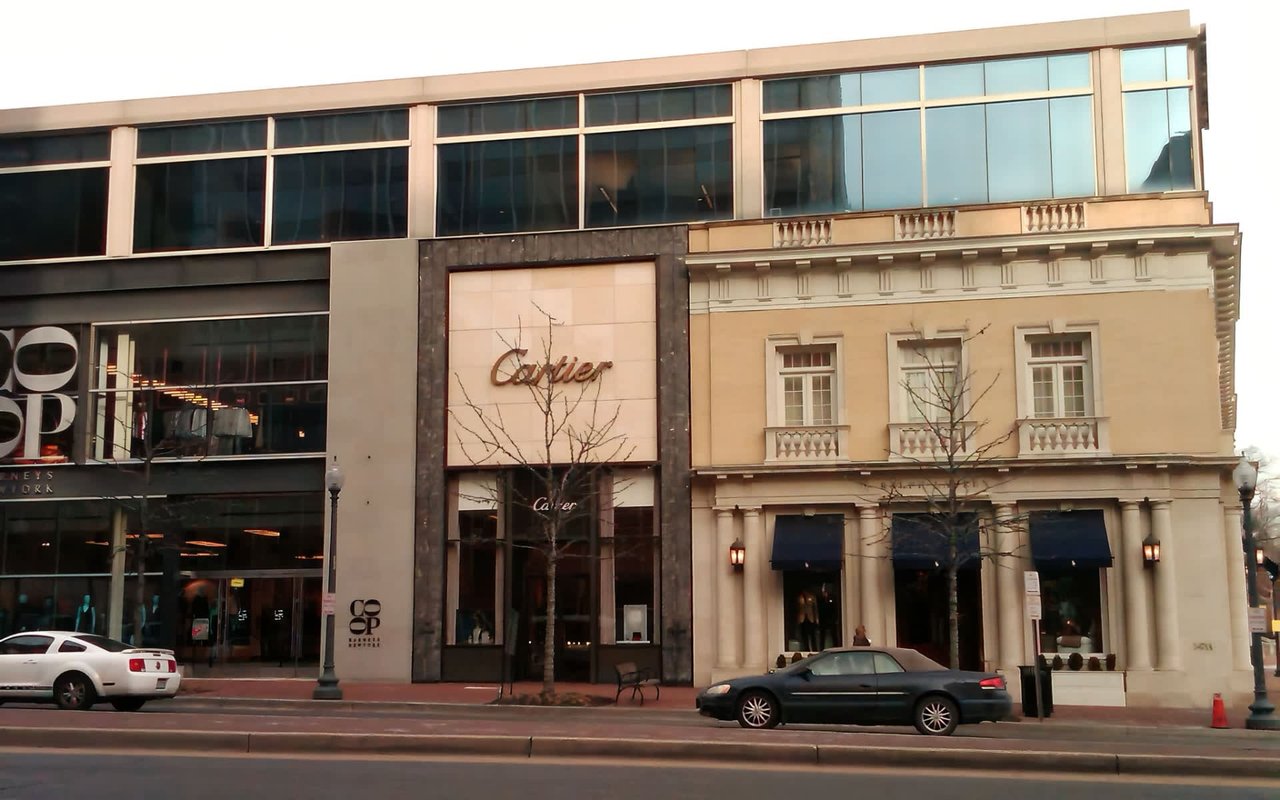
Discover luxury and niche retail destinations in the nation’s capital.
May 14, 2026

Catherine Triantis | March 4, 2025
Discover Bethesda’s Top Dining Destinations.
Catherine Triantis | March 26, 2026
The Pre-Listing Inspection Advantage: Sell With Confidence, Clarity, and Results.
Catherine Triantis | February 20, 2026
Your Essential Guide to Finding the Bethesda Home That Truly Fits.
Catherine Triantis | February 20, 2026
Discover Unseen Opportunities with the Right Connections and Insight
Catherine Triantis | February 12, 2026
Why So Many Find Bethesda a Great Place to Live.
Catherine Triantis | January 23, 2026
Set the Scene for Success: Make Your Bethesda Home Unforgettable.

Catherine Triantis | December 1, 2025
A Clear and Confident Approach to Transforming Your Washington, D.C. Home.
Catherine Triantis | December 1, 2025
Understanding the Benefits and Trade-offs of a Turnkey Home in Washington, D.C.

Catherine Triantis | November 3, 2025
Creating Vibrant and Harmonious Spaces with Paint.

Catherine Triantis | November 3, 2025
Navigating Your Home Renovation with Confidence.
Catherine Triantis | October 9, 2025
A Modern Vision of Elegance and Comfort.
Catherine Triantis | October 9, 2025
Simple Steps to Breathe Cleaner, Healthier Air Every Day.

Catherine Triantis | April 9, 2024
Ensuring a Smooth Transition for Single-Family Homes for Sale in Washington DC.

Catherine Triantis | May 22, 2024
A Step-by-Step Guide to Navigating the Real Estate Agent Selection Process.
Catherine Triantis | September 11, 2025
Key Considerations for Choosing Between a Second Home and an Investment Property.

Catherine Triantis | September 11, 2025
Discover Essential Tips and Strategies for First-Time Commercial Property Investors.

Catherine Triantis | August 12, 2025
Understanding the Ideal Seasons for Selling Your Home.

Catherine Triantis | July 21, 2025
Maximize Your Home's Value with These High-Return Renovations.

Catherine Triantis | June 20, 2025
Simple Strategies That Make a Lasting First Impression.

Catherine Triantis | June 20, 2025
A Timeless Balance of Sophistication, Accessibility, and Livability.

Catherine Triantis | June 7, 2025
Exploring Essential Strategies for Successful Property Investment.

Catherine Triantis | May 9, 2025
Create Harmony and Balance in Your Home with Feng Shui Principles.

Catherine Triantis | March 4, 2025
A Guide to Bethesda Real Estate for Investors.
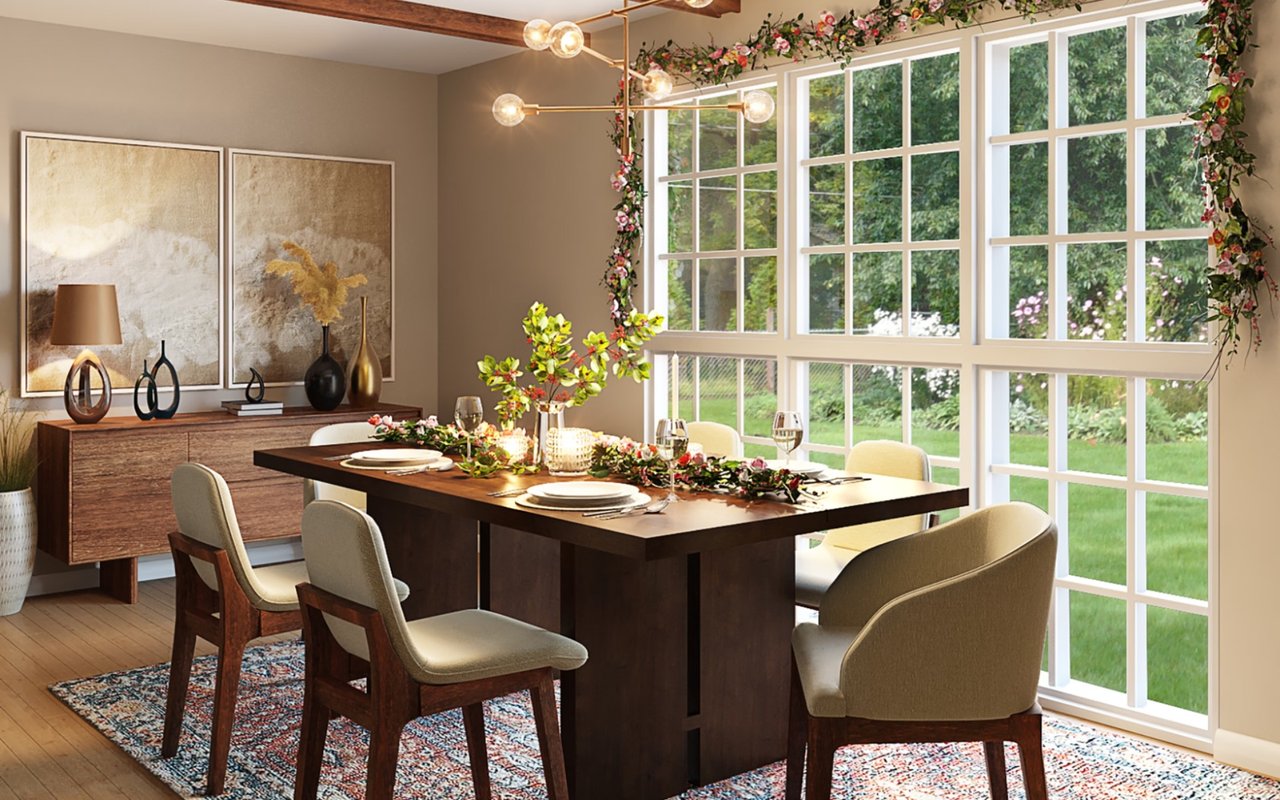
Catherine Triantis | February 21, 2025
Create a Stylish and Comfortable Living Space in One of Maryland's Most Desirable Areas.
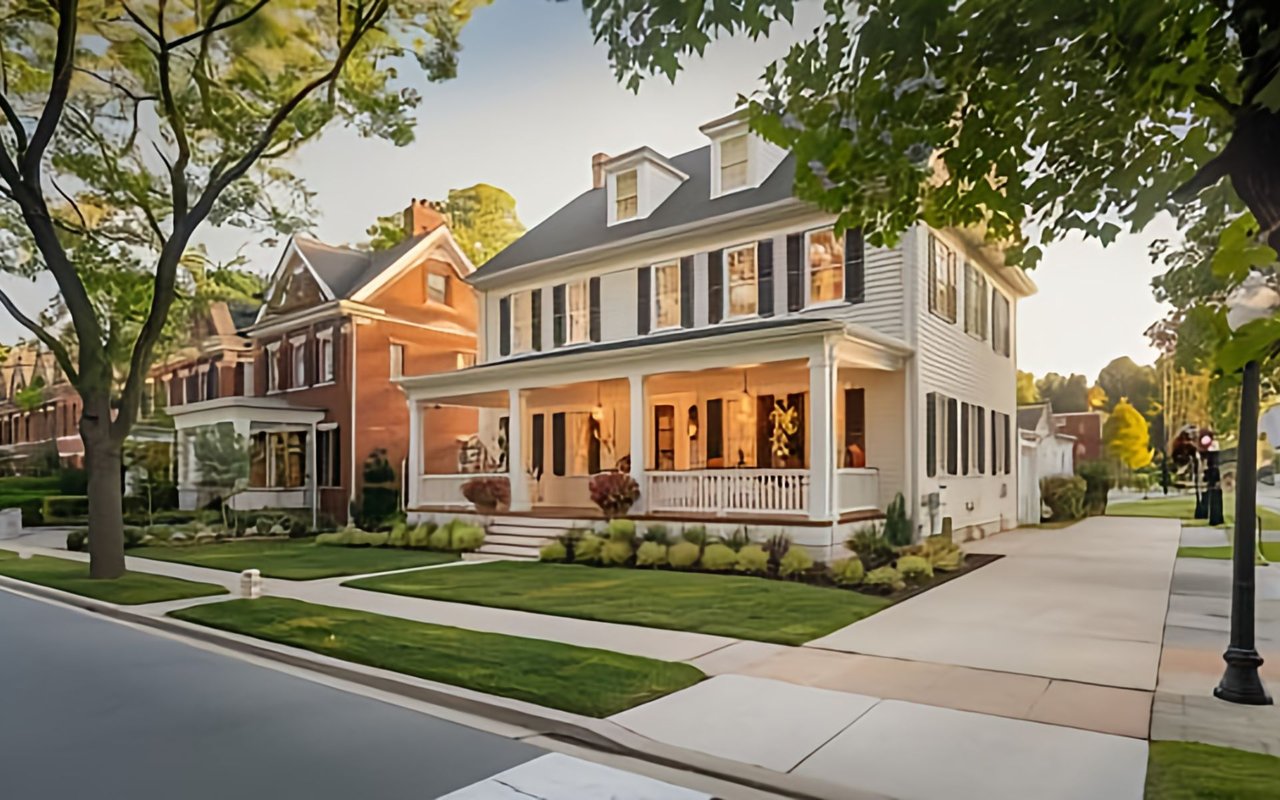
Catherine Triantis | February 7, 2025
How to find the right property and flip it in Bethesda.
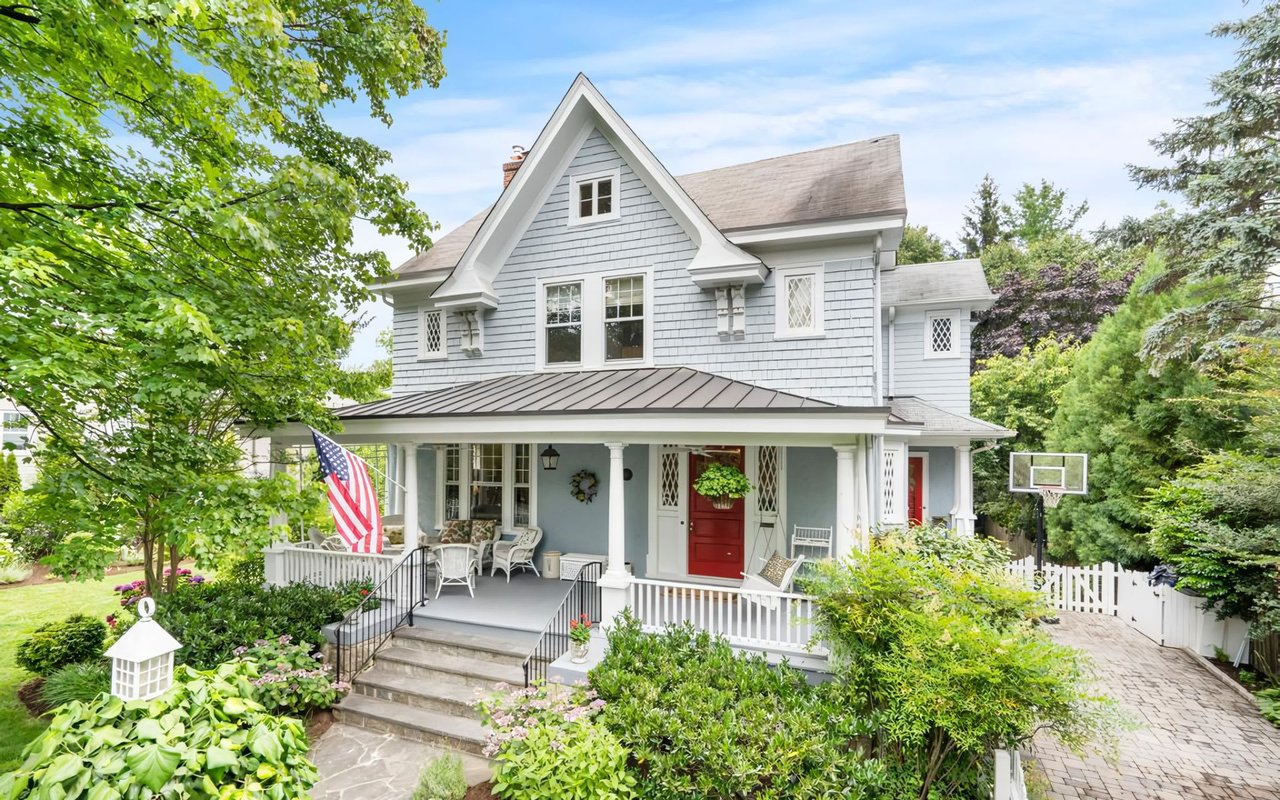
Catherine Triantis | May 22, 2024
A Comprehensive Guide.

Catherine Triantis | May 22, 2024
Expert Insights Into Real Estate Negotiation Tactics in Competitive Markets.

Catherine Triantis | June 5, 2024
Decoding Market Mysteries: Answering the Top Real Estate Questions of 2024.
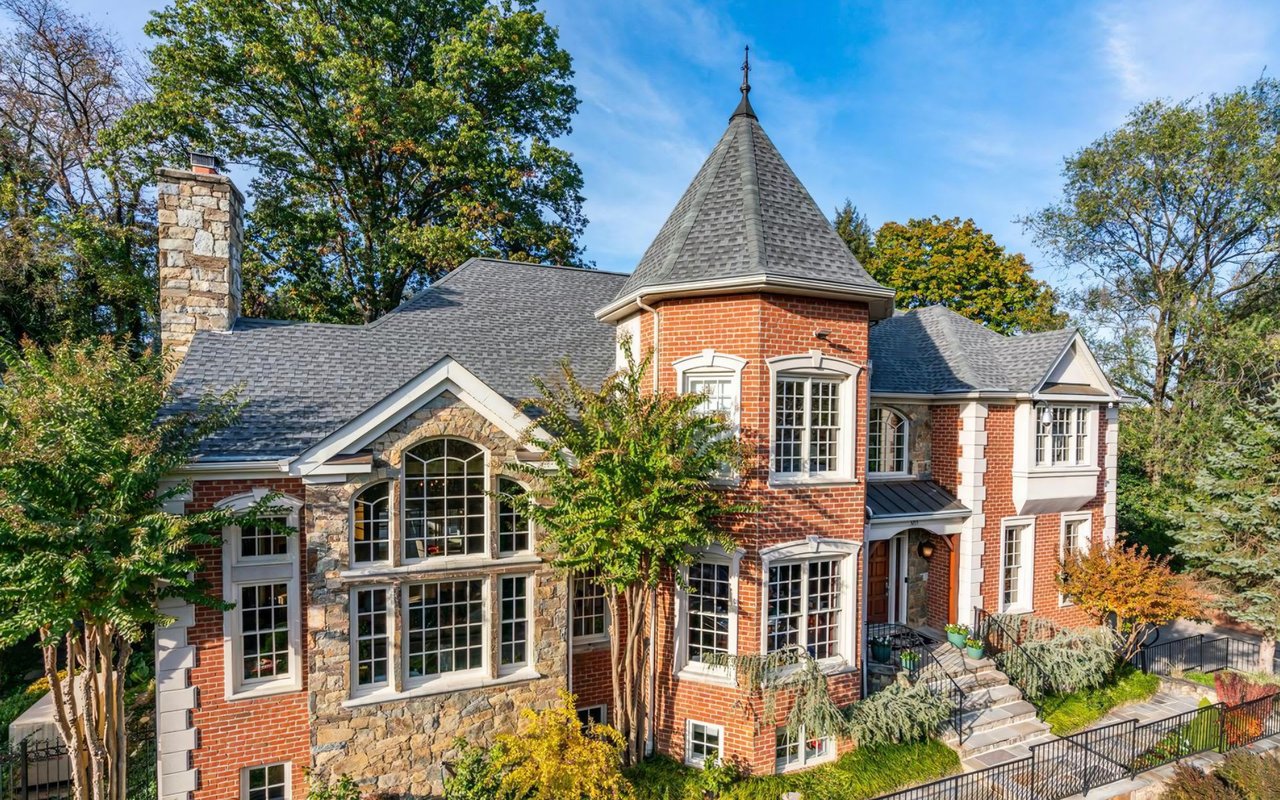
Catherine Triantis | August 21, 2024
Everything You Need to Know for a Successful Sale.
Catherine Triantis | July 31, 2024
Find a few hidden gems among Bethesda’s best-known attractions.
Catherine Triantis | June 5, 2024
Exploring Elegance: The Most Popular Architectural House Styles.

Catherine Triantis | June 5, 2024
Navigating Home Inspections for Potential Buyers in Bethesda, MD.
Catherine Triantis | November 7, 2024
Discover Key Insights and Tips for a Successful Home Purchase in Bethesda.

Catherine Triantis | November 7, 2024
A Guide to a Smoother Transition.
Catherine Triantis carefully tailors her efforts to each individual's needs and preferences. Her success may be attributed to her consultative approach and commitment to consistent communication, attention to detail, and support through all phases of prep, strategic planning, and moving.