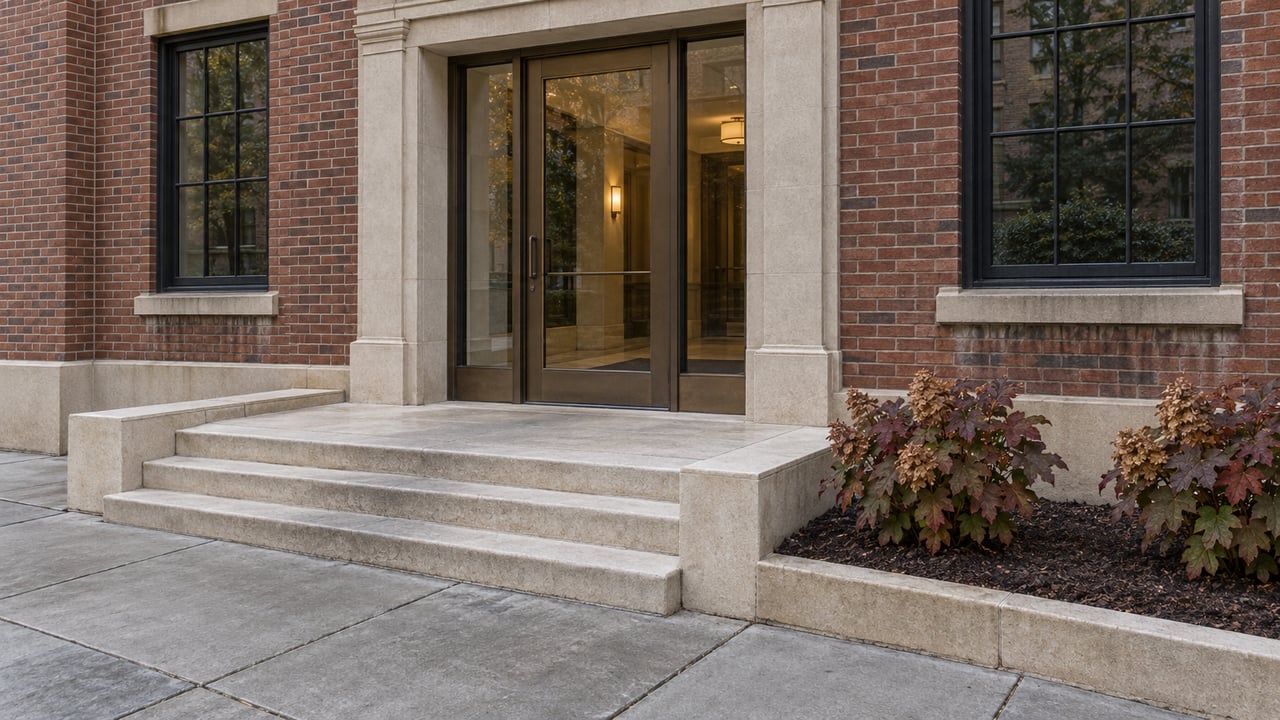
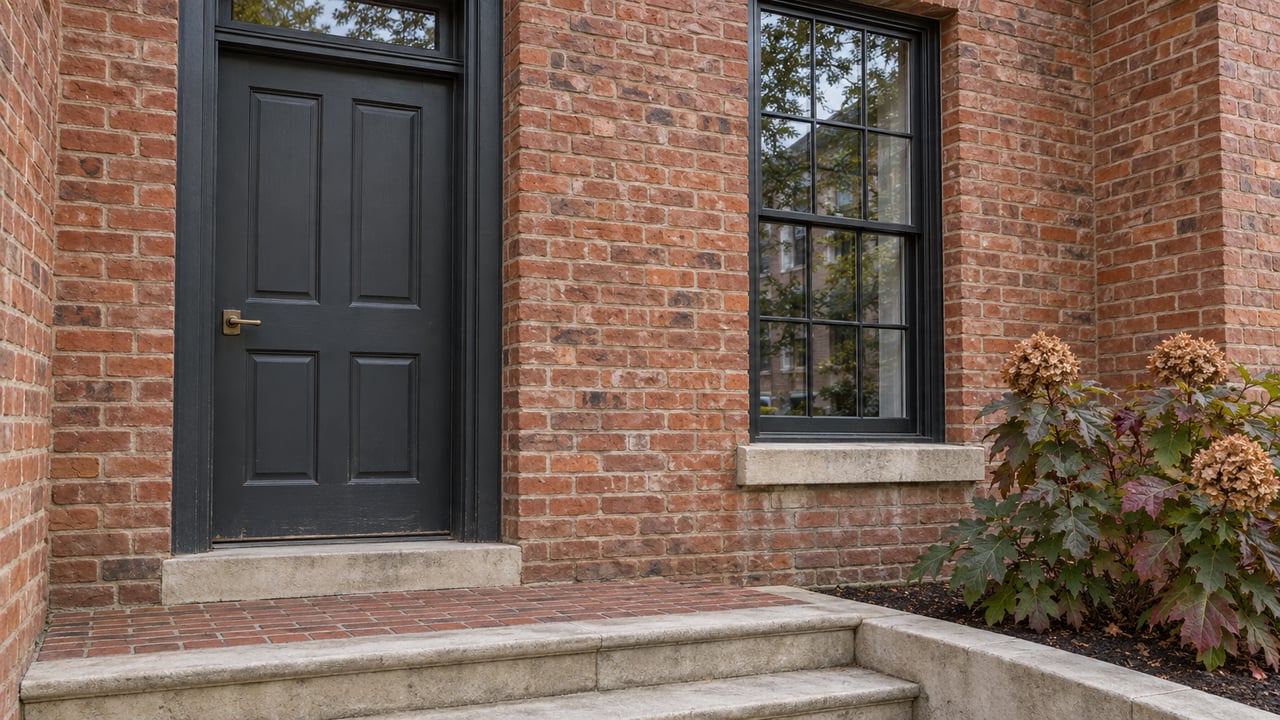
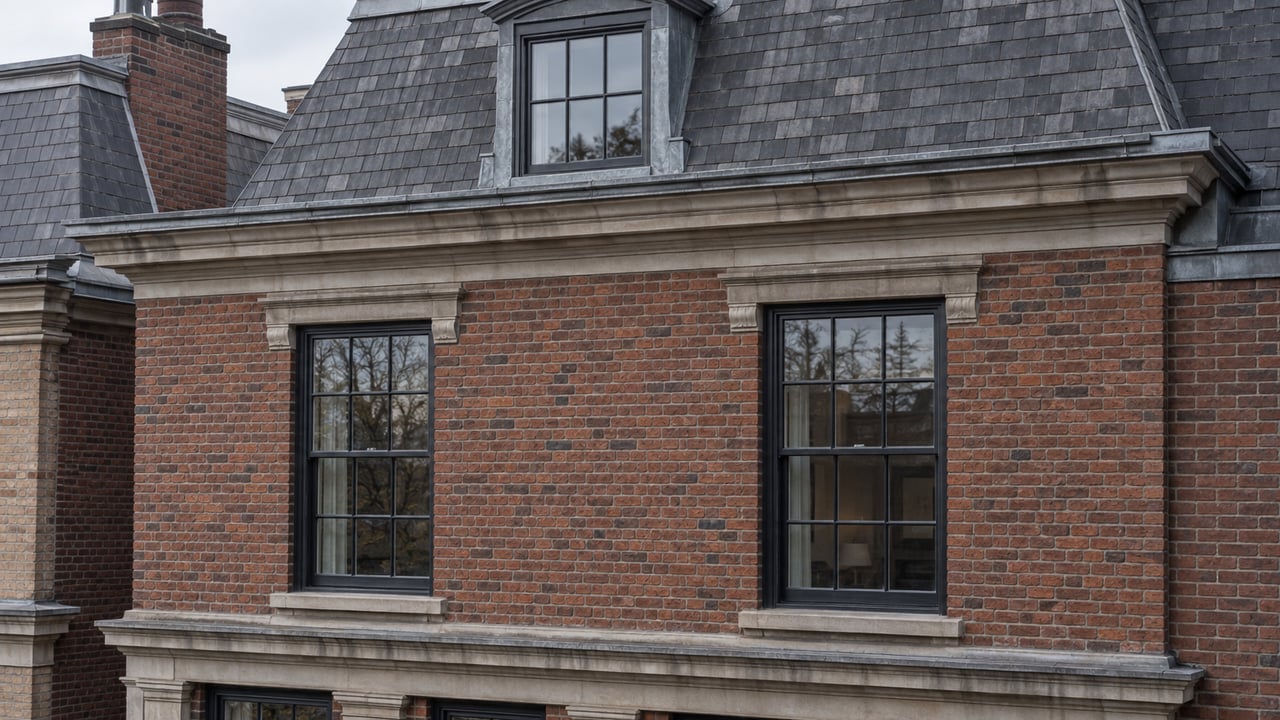
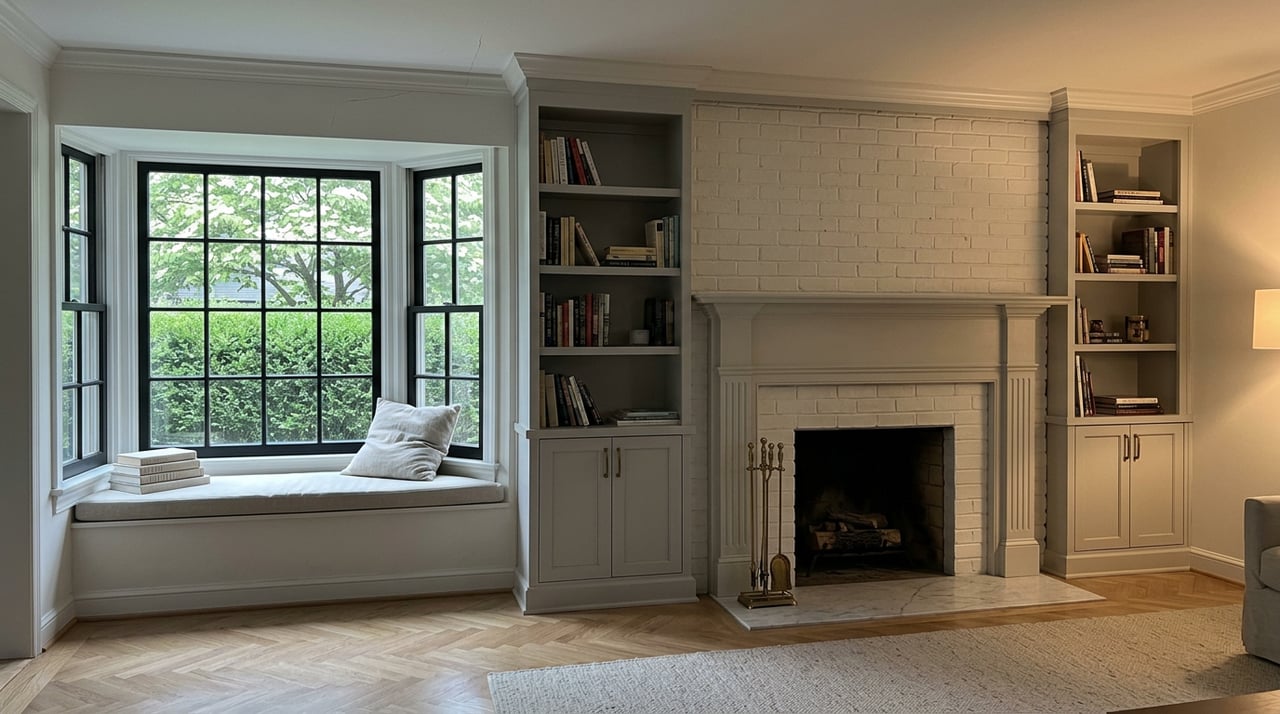
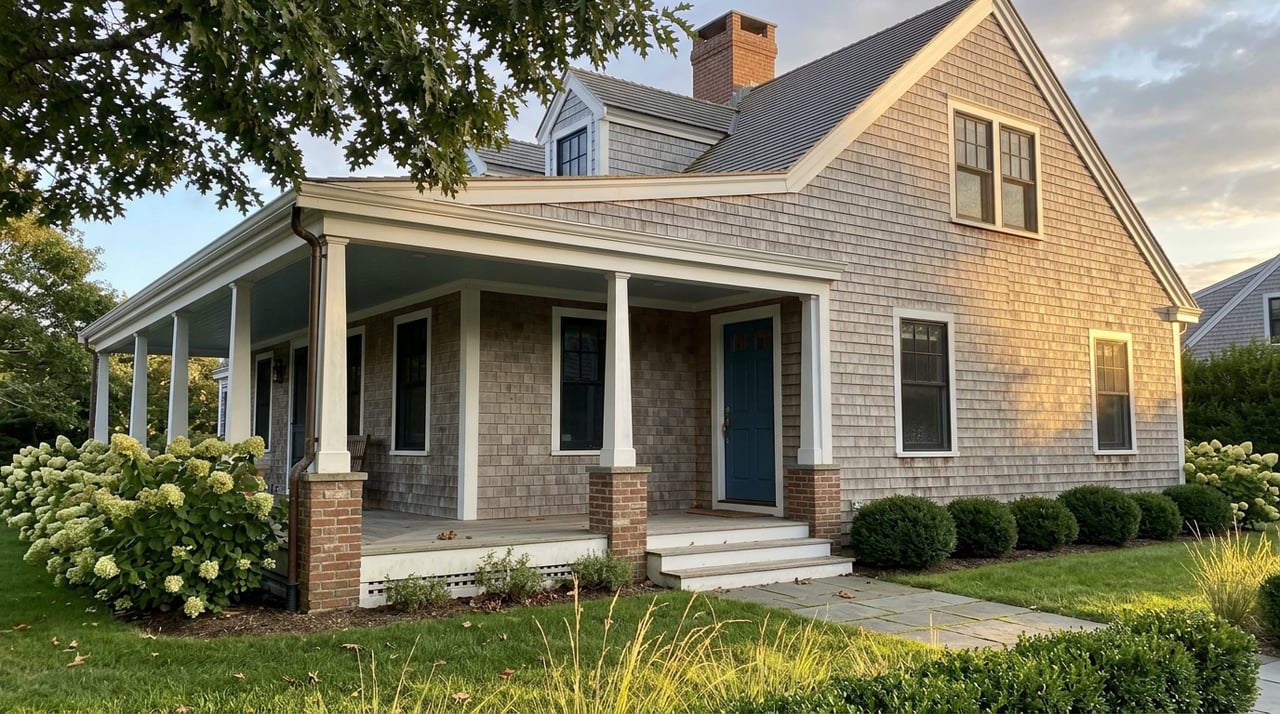
Renovating a home in Washington, D.C. requires thoughtful planning, a strong understanding of local expectations, and an appreciation for the architectural character that shapes many of the city’s neighborhoods. Careful decisions regarding layout, budgeting, materials, and project oversight work together to support a smooth and rewarding experience. Whether refreshing a classic rowhouse, restoring a historic residence, or modernizing a contemporary space, this guide unveils essential home remodel tips to support a successful renovation.
Establishing a Realistic Budget
A successful renovation begins with a budget that reflects both ambition and practicality, especially in a city where home styles and conditions vary widely. Homeowners benefit from outlining essential upgrades first, identifying potential structural or system needs early, and understanding typical cost ranges for labor and materials in the region. Creating space within the budget to accommodate unforeseen issues protects the overall plan and reduces the likelihood of delays. By blending financial discipline with thoughtful prioritization, homeowners can pursue inspired design choices while remaining firmly grounded in long-term value and day-to-day feasibility, ensuring the renovation progresses steadily from start to finish.
Navigating Permits and Local Regulations
Renovating in Washington, D.C. requires familiarity with permitting guidelines that apply to changes involving structures, systems, or layouts. Many neighborhoods also include historic oversight, which affects exterior alterations and, in some cases, elements visible from the street. Homeowners who prepare early for these requirements often experience a more streamlined process and fewer interruptions as construction begins. Working with architects or contractors who routinely navigate local regulations helps ensure proposals align with city expectations. By approaching the permitting stage with clarity and patience, homeowners reduce surprises, protect the property’s integrity, and support a renovation timeline that moves forward more predictably.
Prioritizing Functionality and Long-Term Use
Successful renovations rely on designs that support everyday living as much as visual appeal. In Washington, D.C. homes, many of which feature compact layouts, functional upgrades can significantly enhance comfort. Thoughtful planning around storage, natural light, traffic flow, and flexible use of space allows the home to adapt to evolving needs. Considering long-term durability, efficiency, and maintenance requirements strengthens the project’s lasting value. Homeowners who focus on both present and future use create spaces that work seamlessly with their routines. This balanced approach ensures that style and practicality complement one another, resulting in a renovation that delivers enjoyment for years to come.
Choosing the Right Renovation Team
Selecting a professional team with experience in Washington, D.C.’s housing landscape is essential for a smooth renovation. Builders and designers familiar with the area’s older structures and regulatory considerations bring insight that supports quality outcomes. Homeowners benefit from reviewing portfolios, confirming credentials, and ensuring communication styles align before work begins. A detailed contract outlining timelines, materials, and responsibilities establishes clear expectations and reduces misunderstandings. Trust and transparency help maintain momentum throughout the project. With a dedicated team in place, homeowners gain confidence that their vision will be translated accurately, efficiently, and with craftsmanship that respects both design goals and structural needs.
Preserving Historic Character Where It Matters
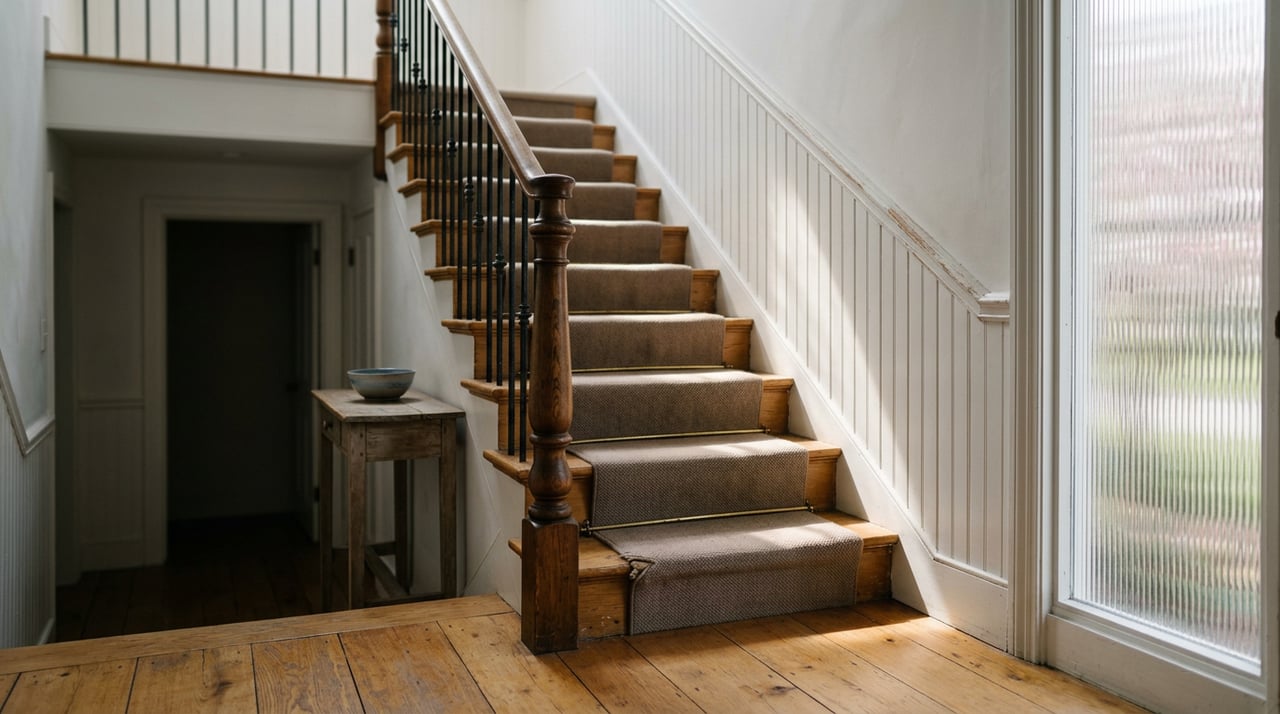
Washington, D.C. contains homes with unique architectural features that contribute to the city’s identity. Preserving certain elements, such as original woodwork, brickwork, or window details, adds depth and authenticity to a renovation. Thoughtful restoration does not limit modernization; instead, it creates balance between history and convenience. When integrated seamlessly with updated systems, refined layouts, and modern finishes, historic features become focal points that elevate the home’s charm. Choosing which elements to protect and which to replace requires careful judgment and, at times, professional guidance. Approaching preservation with intention ensures the renovated home honors the past while fully supporting contemporary living.
Planning for Outdoor Spaces
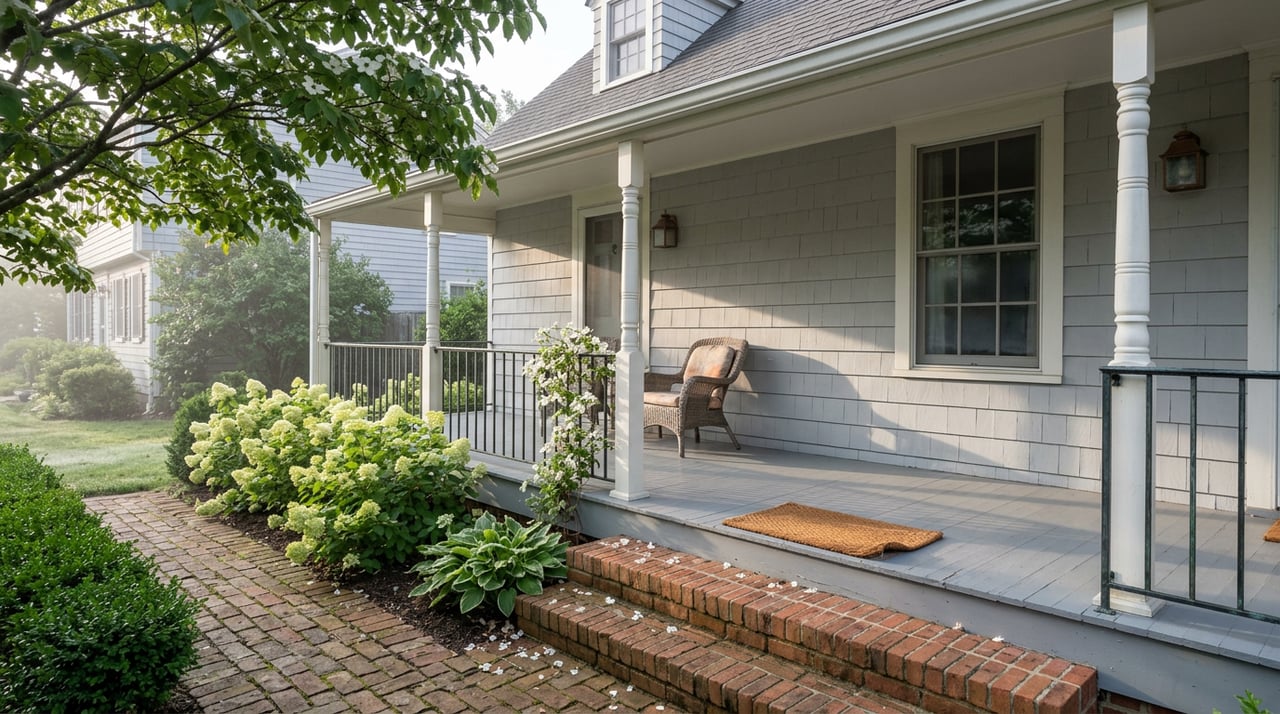
For many D.C. homeowners, outdoor spaces provide essential living and entertaining areas. Thoughtful planning ensures that patios, decks, gardens, and rooftop terraces are functional, safe, and visually appealing. Landscaping, seating areas, and lighting should be designed to complement the home’s architecture while creating versatile environments for relaxation or social gatherings. Even smaller urban yards can benefit from strategic design choices that maximize space and usability. Considering accessibility, privacy, and maintenance early in the renovation process ensures the outdoor areas remain enjoyable long-term. Well-executed outdoor planning extends the home’s living space and enhances both daily life and overall property value.
Selecting Durable and Timeless Materials
Choosing the right materials is a critical component of a successful remodel. In Washington, D.C., where homes often face varying weather conditions and wear, selecting durable options ensures longevity and reduces future maintenance costs. Homeowners should focus on materials that combine resilience with aesthetic appeal, such as hardwood flooring, quality cabinetry, and high-grade finishes. Timeless design choices also protect resale value by appealing to a broad range of buyers. When paired with thoughtful craftsmanship, durable materials create spaces that are both beautiful and practical. Strategic selection ensures the renovation maintains its appeal and function for years to come.
Your Next Step Toward Homeownership
Buying real estate is one of the most meaningful financial and personal decisions a person can make, and understanding the market is a key part of the journey. Exploring neighborhoods, evaluating properties, and assessing long-term potential help buyers move forward with clarity and confidence. With the right guidance, the process becomes more informed, efficient, and rewarding. For those ready to begin their search in the Washington, D.C. area, contact
Catherine Triantis today to start your real estate journey.
*Header photo courtesy of Unsplash