Potomac Or Bethesda: How To Choose Your Ideal Home Base
May 21, 2026
May 21, 2026
Trying to choose between Potomac and Bethesda? You are not alone. Many buyers looking in close-in Montgomery County end up comparing these two communities because both offer access to the greater DC area, but they support very different day-to-day routines. If you want to make a smart move based on how you actually live, this guide will help you compare lifestyle, housing, commute patterns, and recent market trends. Let’s dive in.
The biggest difference between Potomac and Bethesda comes down to how you want your life to feel on a daily basis.
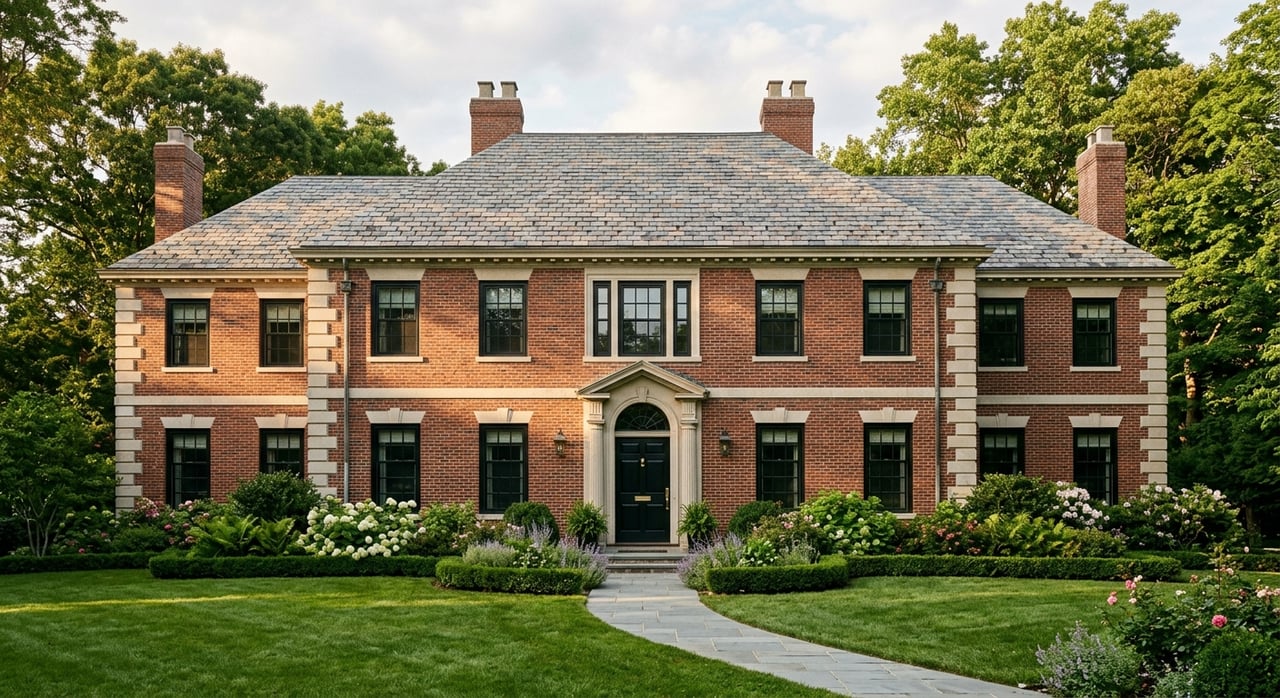
Potomac is defined by low-density residential development, larger lots, and a more car-oriented pattern. Montgomery Planning describes it as a suburban area with an auto-oriented village center and a quieter residential character. For many buyers, that translates to more privacy, more land, and a calmer pace.
Bethesda offers a different experience. Its downtown is more mixed-use, denser, and supported by Metro access, shops, restaurants, and public parking. If you like the idea of walking to dinner, running errands on foot, or building your routine around transit, Bethesda may feel like a more natural fit.
A home search gets easier when you stop asking which place is better and start asking which place fits your life.
If your ideal week includes driving to most destinations, coming home to a quieter setting, and prioritizing lot size and space, Potomac may align well with your goals. Its land-use pattern is centered on low-density neighborhoods, and that shapes everything from traffic flow to the feel of the streetscape.
If your ideal week includes walking to coffee, dining out nearby, using Metro, and enjoying a denser mix of amenities, Bethesda may be the stronger match. Downtown Bethesda is designed for that kind of convenience, with a more compact layout and a broad mix of commercial activity.
Potomac is best understood as a primarily residential community with a village center rather than a full urban core. Montgomery Planning notes that the area is characterized by single-family subdivisions on quarter-acre and half-acre lots, which helps explain why many buyers are drawn to it for space and separation.
That lower-density pattern tends to create a more private feel. If you are looking for a home base that feels tucked away while still staying in close-in Montgomery County, Potomac often checks that box.
Potomac Village serves as the commercial heart of the area. According to Montgomery Planning, the existing retail pattern is auto-oriented, and the circulation system currently lacks enough pedestrian and bike facilities, even though long-term planning recommends making it more pedestrian-friendly over time.
In practical terms, that means you can access daily needs and local services, but the experience is generally built around driving rather than strolling from place to place. For some buyers, that is perfectly fine. For others, it is an important tradeoff.
Potomac also stands out for nearby outdoor recreation. Local and county resources point to places like Falls Road Local Park, the C&O Canal corridor, Great Falls, and the Billy Goat Trail as key draws in the broader area.
If your weekends often include walking trails, spending time outdoors, or heading to scenic natural areas, this part of Potomac living may carry a lot of weight in your decision.
Bethesda is centered around a more urban-style downtown environment. Bethesda Urban Partnership describes downtown as a destination for restaurants, boutiques, home décor shops, arts venues, and events.
The area is also notably compact. Bethesda Urban Partnership says downtown can be crossed on foot in about 20 minutes, which helps create the kind of park-once-and-walk routine that many buyers want.
One of Bethesda’s strongest advantages is its direct Red Line Metro access. WMATA identifies Bethesda station as a Red Line stop, and it is within walking distance to places like Bethesda Row and the Bethesda Trolley Trail.
That transit connection matters if your commute or lifestyle benefits from rail access. Bethesda Urban Partnership also reports that the downtown Metro station handles more than 15,000 passengers on an average weekday, which reinforces how central transit is to the area’s identity.
Bethesda’s convenience is not just about Metro. The downtown is supported by the free Bethesda Circulator and 17 public parking garages and surface lots, according to Bethesda Urban Partnership.
For buyers who want easy access to dining, shopping, and entertainment without relying on a long drive for each stop, that built-in convenience can be a deciding factor.
Potomac planning materials point to a road-based mobility pattern. Montgomery Planning emphasizes the Falls Road and River Road corridor and describes the area in largely suburban, low-density terms.
That does not mean Potomac is inconvenient. It simply means your routine is more likely to depend on driving than on rail transit. If that matches how you already live, Potomac may feel intuitive and easy.
Bethesda gives you a more rail-backed commute option. In addition to current Red Line service, WMATA notes a future mezzanine connection intended to link to the Purple Line station when that opens in 2027.
For buyers thinking long term, that supports the case for Bethesda as a mobility-focused location. If access to transit matters to your work schedule or household flexibility, Bethesda has a clear edge.
Potomac’s housing form is still shaped by single-family neighborhoods on larger lots. That makes it especially appealing if you are looking for a detached home with more outdoor space and a more traditional suburban layout.
The tradeoff is that you generally give up some density, walkability, and housing variety. If your focus is square footage, lot size, and a quieter setting, that may be an easy trade to make.
Bethesda has a broader housing mix, especially near downtown. Montgomery Planning calls for a diversified mix of housing options in mixed-use and multi-family buildings while preserving nearby single-unit neighborhoods.
A 2024 plan amendment found that downtown Bethesda added more than 1,700 housing units since 2017, with about 70% of them in larger multi-family apartment buildings. That helps explain why buyers can often find a wider range of formats in Bethesda, from condos and apartments to nearby detached homes.
Recent market numbers show that Potomac and Bethesda are close on median sale price but different in how buyers are paying for space.
In March 2026, Redfin reported a median sale price of $1,215,000 in Potomac and $1,220,000 in Bethesda. Potomac homes sold in about 20 days, while Bethesda homes sold in about 32 days. Both markets averaged about 3 offers per home.
The more notable difference was price per square foot. Redfin reported $377 per square foot in Potomac versus $499 in Bethesda, which suggests Bethesda carries a meaningful premium for its denser, amenity-rich setting.
For buyers, that often means Potomac may offer more space for the money, while Bethesda may command a higher price on a space basis because of walkability, transit access, and downtown convenience.
If you are torn between the two, try framing the choice around your non-negotiables rather than the median price alone.
Potomac may be the better fit if you want:
Bethesda may be the better fit if you want:
Neither choice is universally better. The right answer depends on whether you value space and privacy more, or convenience and walkability more.
Potomac and Bethesda can both be strong choices, but they serve buyers differently. Potomac leans toward larger lots, quieter streets, and a car-based routine. Bethesda leans toward walkability, transit, and a more active downtown setting.
When you match the market to your lifestyle instead of forcing yourself into a generic checklist, your decision usually becomes much clearer. If you want thoughtful guidance as you compare close-in Montgomery County neighborhoods, Catherine Triantis offers the kind of strategic, hands-on advice that helps you move forward with confidence.
Stay up to date on the latest real estate trends.





Catherine Triantis carefully tailors her efforts to each individual's needs and preferences. Her success may be attributed to her consultative approach and commitment to consistent communication, attention to detail, and support through all phases of prep, strategic planning, and moving.